



Collection:
Island Range Hood
Enhance your kitchen island with our premium island range hood collection designed for open-concept homes and high-ceiling spaces. These hoods provide 360-degree coverage, powerful suction, and elegant designs that become a focal point in any modern kitchen.
Engineered for superior smoke and odor removal, island hoods offer advanced filtration systems, quiet operation, and beautiful finishes that complement both contemporary and classic interiors. From sleek stainless steel to innovative downdraft systems, this collection delivers top-tier performance while maintaining a sophisticated aesthetic. Choose the perfect island hood to transform your kitchen into a functional and stylish centerpiece.
Sorry, there are no products in this collection.


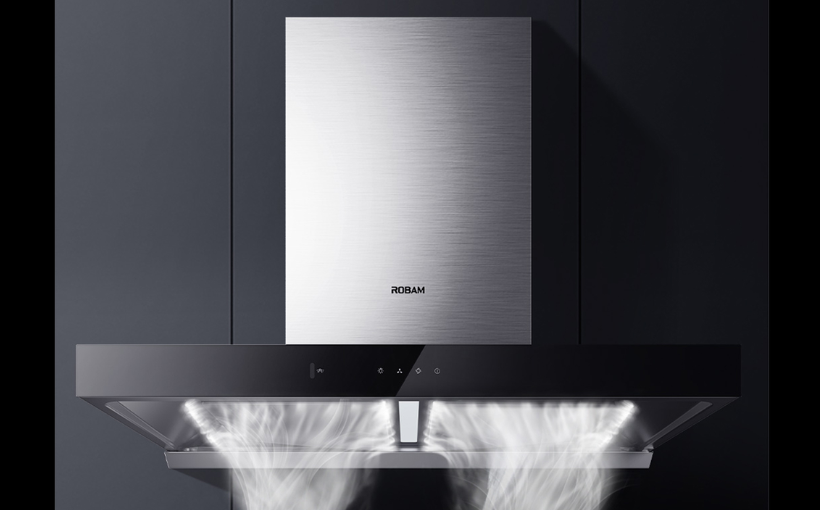
The Statement Maker: Kitchen Island Range Hoods
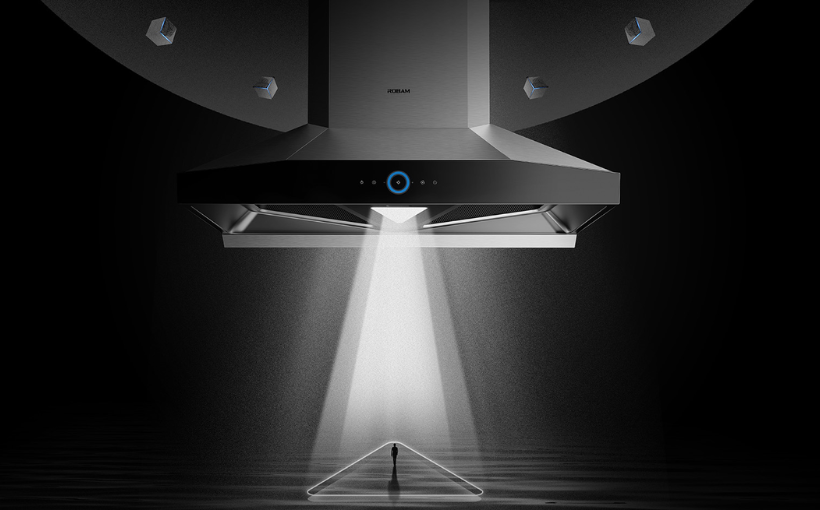
Centralized Power for Open-Plan Kitchens
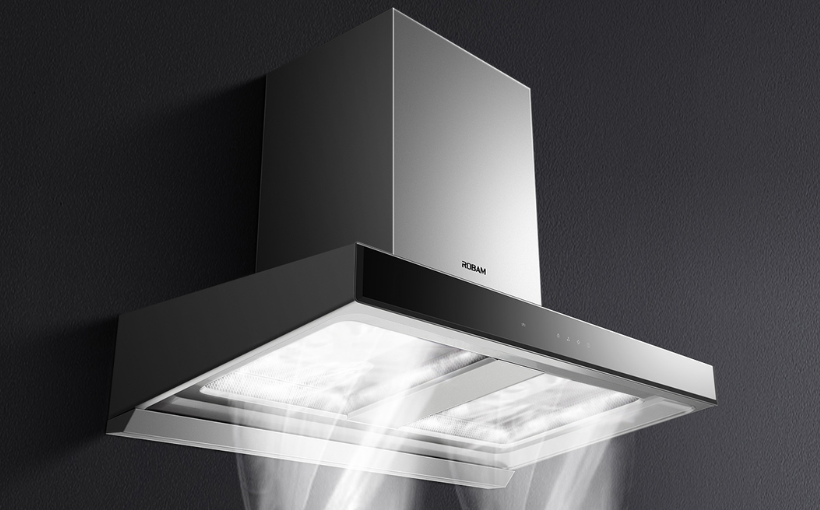
Find Your Island Ventilation Style
Range Hood Types: Find Your Fit
Navigate by the features that matter most to you. Whether you're searching by precise measurements, a finish that matches your kitchen decor, the installation type your space requires, or specific performance needs, we've organized our collection to help you find the perfect match in moments.