





Designing a modern kitchen is no longer just about appearance—it is about creating a space that performs efficiently for daily cooking, integrates appliances smoothly, and lasts for years. One of the most important decisions homeowners and designers face is selecting the right cabinet materials.
Kitchen cabinets must withstand moisture, heat, grease, and constant use. At the same time, they should complement appliances such as range hoods, cooktops, and ovens while supporting a well-organized cooking environment. Premium kitchen appliance brands emphasize this integrated kitchen approach—where cabinetry and appliances work together to improve the cooking experience.
In this guide, we will explore what are kitchen cabinets made of, examine the types of kitchen cabinet materials, compare durability and cost, and help you choose the best option for your kitchen.

What Are Kitchen Cabinets Made Of?
Kitchen cabinets are typically built using a combination of structural materials, decorative finishes, and hardware components. Customers may wonder, what material are kitchen cabinets made of when planning a renovation or selecting new cabinetry. This is because the choice of materials determines durability, maintenance requirements, and visual style. Here is a detailed breakdown of the most common materials used in cabinet construction to help you make an informed decision.
Parts of a Kitchen Cabinet: Materials and Finishes Explained
Understanding the different parts of a kitchen cabinet helps homeowners choose the most suitable materials for durability, appearance, and maintenance. Kitchen cabinets are made up of several key components, and each part may use different materials or finishes depending on function and design.

Cabinet Box (Carcass)
The cabinet box is the structural foundation of the cabinet and typically determines overall durability. Common materials include plywood, particleboard, and MDF. Plywood is often preferred for its strength and moisture resistance, while particleboard and MDF are more budget-friendly options.
Cabinet Doors and Drawer Fronts
Cabinet doors are the most visible part of the kitchen cabinetry and significantly influence the overall style. They are commonly made from solid wood, MDF, glass, or aluminum frames. Solid wood provides a natural and premium look, while MDF is often used for painted cabinet doors due to its smooth surface.
Shelves and Interior Panels
Shelves need to support weight and remain stable over time. Plywood and MDF are frequently used because they offer good strength and cost balance. In some cases, laminated boards are used to improve durability and ease of cleaning.
Cabinet Finishes and Surface Materials
Finishes play an important role in both aesthetics and protection. Popular cabinet finishes include laminate, thermofoil, veneer, acrylic, and painted finishes. These surface treatments help improve moisture resistance, make cabinets easier to clean, and allow homeowners to achieve different design styles, from modern to traditional kitchens.
Overall, both the materials used in cabinet construction and the finishes applied to cabinet surfaces affect how cabinets perform in terms of durability, maintenance, and visual appeal.
How Cabinet Materials Affect Durability and Maintenance
Different materials perform differently in real kitchens.
For example:
- Solid wood cabinets can last decades and be refinished
- Plywood offers excellent moisture resistance
- MDF provides smooth painted surfaces but requires protection from water
- Laminate and melamine are easy to clean
This becomes especially important in kitchens with heavy cooking, where appliances such as high-power range hoods and gas cooktops generate heat and moisture.
14 Types of Kitchen Cabinet Materials
Understanding the full range of cabinet materials helps you choose the right balance between cost, performance, and style.
Common Types of Kitchen Cabinet Materials
1. Hardwood (Solid Wood Cabinets)
Solid wood cabinets are one of the most traditional and durable options in kitchen design. They are made from natural hardwoods such as maple, oak, cherry, walnut, or birch, which provide unique grain patterns and long-term structural strength.
One of the biggest advantages of solid wood cabinets is their longevity. With proper maintenance, they can last decades and can even be refinished to restore their original appearance. This makes them a preferred choice for high-end kitchens.
However, solid wood can expand or contract depending on humidity levels, so proper sealing is important in kitchens with frequent cooking.
Solid wood cabinets work best in classic, traditional, or luxury kitchen designs.

2. Wood Veneer
Wood veneer cabinets are constructed using thin layers of real wood attached to a plywood or MDF core. This allows homeowners to achieve the appearance of natural wood while reducing cost and improving structural stability.
Compared with solid wood, veneer cabinets are less likely to warp or crack over time. They are also lighter and more efficient to manufacture.
However, in high-moisture environments, poorly sealed veneer may peel or bubble. Choosing high-quality finishes can help improve durability.
Wood veneer cabinets are commonly used in modern and transitional kitchens.

3. Plywood
Plywood is widely regarded as one of the best materials for cabinet boxes. It is made from multiple layers of wood veneer glued together in alternating directions, which increases strength and stability.
This layered construction helps plywood resist warping, making it ideal for kitchens exposed to heat and humidity. It also provides excellent screw-holding capacity for cabinet hardware. Many professional kitchen designers prefer plywood cabinets for homes that feature built-in appliances and high-performance ventilation systems.
Plywood cabinets are suitable for both mid-range and premium kitchen designs.

4. Thermofoil
Thermofoil cabinets are created by heat-sealing a PVC (polyvinyl chloride) foil over MDF boards. This manufacturing process produces a smooth and seamless finish, often used for modern slab-style cabinets. They are available in a wide range of colors and designs, making them popular in contemporary kitchens.
However, excessive heat from cooking appliances or poor ventilation can cause thermofoil to peel over time.
Thermofoil cabinets are commonly used in budget-friendly modern kitchens.

5. Laminate
Laminate cabinets consist of a decorative plastic surface bonded to a wood-based core material. They are known for their durability, resistance to stains, and easy maintenance.
One of the biggest advantages of laminate is the wide variety of styles available, including wood-look, stone-look, and textured finishes. Laminate cabinets are also resistant to scratches and everyday wear, making them suitable for busy households.
They are frequently used in modern and minimalist kitchens.

6. Particleboard
Particleboard is one of the most affordable cabinet materials available. It is manufactured by compressing wood particles with resin under high pressure.
While it provides a low-cost solution, particleboard is not as strong as plywood or solid wood. It can also absorb moisture if not properly sealed. For this reason, particleboard cabinets are typically used in entry-level kitchen installations or light-use kitchens.
They are often paired with laminate or melamine finishes to improve durability.

7. Medium Density Fiberboard (MDF)
MDF is made from finely compressed wood fibers, creating a dense and smooth material that is ideal for painted cabinet finishes. It does not contain natural wood grain, which allows for a uniform surface that designers prefer for modern cabinet styles. But MDF can be sensitive to moisture if exposed to water for long periods. Many manufacturers now offer moisture-resistant MDF (MR-MDF) options that perform significantly better in kitchen environments.
MDF cabinets are commonly used in contemporary and painted kitchen designs.

8. Melamine
Melamine cabinets feature a resin-coated surface applied to particleboard or MDF. This coating provides resistance to scratches, stains, and heat. Because of its durability and affordability, melamine is widely used in modern modular kitchens. It is also easy to clean, making it a practical choice for family kitchens or rental properties. Melamine cabinets offer a balance between cost and functionality.

Latest Material for Kitchen Cabinets
9. Acrylic High Gloss Cabinets
Acrylic cabinets are known for their sleek, mirror-like finish that enhances brightness and creates a modern, sophisticated look. They are widely used in contemporary kitchens that emphasize clean lines and minimalist design. The surface offers excellent color consistency and strong resistance to fading, helping cabinets maintain their appearance over time.
Because the high-gloss finish reflects light easily, fingerprints and smudges can be more visible. For homeowners who prefer a softer look with easier maintenance, matte acrylic finishes have become an increasingly popular alternative. Acrylic cabinets are particularly suitable for modern and luxury kitchen designs.

10. UV Lacquer Cabinets
UV lacquer cabinets use a special curing process that hardens the surface coating under ultraviolet light. This creates a durable and smooth finish that resists scratches and discoloration. Compared with traditional paint finishes, UV lacquer is more consistent and long-lasting. These cabinets are commonly used in premium kitchen projects, they provide a refined appearance while maintaining durability.

11. Sustainable Engineered Boards
Sustainable cabinet materials are gaining popularity as homeowners increasingly prioritize eco-friendly kitchen design. These materials typically use FSC-certified wood, recycled panels, or low-VOC boards as their core, providing both environmental benefits and structural durability.
The latest trend in kitchen cabinetry combines these sustainable cores with advanced surface finishes, such as acrylic or UV-lacquer coatings. This approach not only enhances visual appeal and modern textures but also improves resistance to moisture, scratches, and fading. As a result, kitchens designed with these materials achieve a balance of sustainability, long-term performance, and contemporary style.
They are particularly suitable for modern kitchens in new residential developments where eco-conscious design and durability are key considerations.

12. Modern Modular Kitchen Materials
Modern modular kitchens often combine different materials such as engineered wood, laminate, and advanced surface coatings. These systems are designed to improve installation efficiency and allow better integration with built-in appliances. Modular materials also support flexible layouts and modern kitchen trends. They are widely used in urban homes and smart kitchen designs.

Waterproof Material for Kitchen Cabinets
13. Marine Plywood
Marine plywood is a special type of plywood designed to resist moisture and humidity. It uses waterproof adhesives and high-quality veneers to prevent swelling and structural damage. Because of its durability, marine plywood is often used in kitchens with heavy cooking or high humidity. It is considered one of the best waterproof materials for kitchen cabinets. Many professional kitchen designers recommend marine plywood for long-lasting cabinetry.

14. Stainless Steel / PVC Cabinets
Stainless steel and PVC cabinets are both known for their strong water resistance, which is why they are often discussed together in kitchen design guides.
Stainless steel cabinets are extremely durable, hygienic, and commonly used in professional kitchens. They can withstand heat, moisture, and heavy use. PVC cabinets, on the other hand, are lightweight, fully waterproof, and more affordable. They are often used in areas where moisture exposure is a concern.
These materials are ideal for kitchens that require maximum durability and easy cleaning.

Comparing Kitchen Cabinet Materials
Durability Comparison of Materials
- Highest durability: Solid wood — lasts 30–50 years, resists scratches and dents, can be refinished multiple times.
- Very durable: Plywood — strong structural stability and moisture resistance; marine-grade plywood performs almost as well as solid wood in humid environments.
- Moderate durability: MDF — smooth surface for painted finishes but sensitive to moisture; may swell if exposed to water.
- Lowest durability: Particleboard — prone to warping and swelling; less suitable for heavy-use areas.
- Enhanced durability with finishes: Laminate, PET hybrids, and UV lacquer — improve scratch, heat, and fade resistance when applied to MDF or plywood.
Cost Comparison – Budget, Mid-range, Premium
- Budget: Particleboard, melamine, basic laminates — lowest upfront cost; shorter lifespan; suitable for light-use or temporary kitchens.
- Mid-range: Plywood, wood veneer, thermofoil, sustainable engineered boards — balance cost and performance; widely used in standard home kitchens.
- Premium: Solid hardwood, marine plywood, high-gloss or matte UV-lacquer, stainless steel — higher cost; long-lasting; designed for frequent use or luxury kitchens.
- Practical combination: Many kitchens use mid-range materials for cabinet structure and premium finishes for visible surfaces, optimizing cost without affecting performance.
Maintenance Needs – Easy vs High Maintenance
Maintenance is a key consideration when choosing kitchen cabinet materials, as it affects long-term appearance and usability.
- Low-maintenance: Laminate, melamine, PET hybrids, UV-lacquer — easy to clean, resistant to scratches, heat, and fading.
- Moderate-maintenance: Plywood, wood veneer — occasional gentle cleaning required; protective coatings beneficial in humid areas.
- High-maintenance: Solid wood — periodic sealing, staining, or polishing needed; can be refinished multiple times to restore appearance.
- Key point: Material choice should match kitchen usage and lifestyle to maintain functionality and appearance over time.
Choosing the right material based on your lifestyle and cleaning preferences ensures your cabinets remain functional and beautiful for years to come.
Kitchen Cabinet Materials Pros and Cons (Quick Comparison)
|
Material |
Pros |
Cons |
Durability |
Moisture Resistance |
Cost |
|
Solid Wood |
Natural beauty, long lifespan |
Expensive |
Excellent |
Good |
Premium |
|
Wood Veneer |
Real wood look, stable |
Can peel over time |
Good |
Moderate |
Mid |
|
Plywood |
Strong, stable |
Higher cost than MDF |
Very Good |
Very Good |
Mid |
|
Thermofoil |
Smooth modern finish |
Heat sensitive |
Moderate |
Moderate |
Mid |
|
Laminate |
Easy to clean |
Edge chipping possible |
Good |
Moderate |
Budget-Mid |
|
Particleboard |
Low cost |
Weak structure |
Poor |
Poor |
Budget |
|
MDF |
Smooth surface |
Moisture sensitive |
Fair |
Poor |
Budget-Mid |
|
Melamine |
Scratch resistant |
Heavy |
Moderate |
Good |
Budget |
|
Acrylic |
Modern glossy look |
Fingerprints |
Good |
Good |
Mid-Premium |
|
UV Lacquer |
Durable finish |
Higher cost |
Good |
Good |
Premium |
|
Sustainable Boards |
Eco-friendly |
Varies by brand |
Good |
Moderate |
Mid |
|
Modular Materials |
Flexible design |
Depends on build |
Good |
Moderate |
Mid |
|
Marine Plywood |
Waterproof |
Expensive |
Excellent |
Excellent |
Mid-High |
|
Stainless Steel / PVC |
Fully waterproof |
Style limitations |
Excellent |
Excellent |
Mid-Premium |
What Is the Best Material for Kitchen Cabinets Overall?
When comparing durability, cost, and maintenance, plywood and solid wood are often considered the best materials for kitchen cabinets in most homes. Plywood offers excellent structural stability and moisture resistance, making it a popular choice for cabinet boxes, while solid wood provides a premium appearance and long lifespan.
For kitchens with heavy cooking, marine plywood and stainless steel cabinets can provide superior resistance to humidity and heat. In contrast, laminate and melamine cabinets are often the best choice for homeowners looking for low-maintenance and budget-friendly solutions.
Ultimately, the best material depends on kitchen usage, climate, and overall design goals.
How to Choose the Best Kitchen Cabinet Material for Your Kitchen
Selecting cabinet materials requires balancing cost, style, durability, and usage.

Choose Cabinet Materials Based on Your Budget
Budget Kitchen Cabinets
Recommended materials:
- Particleboard
- Melamine
- Basic laminate
These options are suitable for simple kitchens and rental homes.
Mid-range Cabinet Materials
Popular choices include:
- Plywood
- Wood veneer
- Thermofoil
- Sustainable engineered boards
This category offers the best balance of quality and cost.
Premium Cabinet Materials
Luxury kitchens often use:
- Solid hardwood
- Marine plywood
- UV lacquer finishes
These materials provide long-term durability and a premium appearance.
Match Cabinet Materials to Your Kitchen Style
Here are some suggestions for cabinet materials used in different styles of kitchens. Choosing the right materials can enhance both the aesthetic and functional aspects of your kitchen, ensuring that the space not only looks cohesive but also performs well over time.
Modern Kitchens
For sleek, contemporary kitchens, the best materials include acrylic, matte laminate, and UV lacquer. These finishes create clean lines and low-sheen surfaces, giving your kitchen a polished, modern look. Matte laminates and UV-lacquered surfaces also resist fingerprints and scratches, making them practical for busy households. Acrylic panels provide vibrant colors and smooth finishes, ideal for minimalistic or bold modern designs.
Traditional Kitchens
Traditional kitchens benefit from materials that highlight natural textures and craftsmanship. Recommended options are solid wood, wood veneer, and raised-panel doors. Solid hardwoods like walnut, cherry, or oak provide warmth and timeless appeal, while wood veneers offer authentic wood grain at a more accessible cost. Raised-panel doors add depth and character, complementing classic design elements and creating a cozy, inviting atmosphere.
Minimalist Kitchens
Minimalist kitchens focus on simplicity and subtle textures. Suitable materials include plywood, sustainable engineered boards, and textured laminates. These materials support clean lines and understated elegance, while sustainable boards bring eco-friendly value. Textured laminates add tactile interest without compromising the minimalist aesthetic. Light-stained plywood or natural finishes can enhance the sense of openness and calm that defines minimalist spaces.

Consider Climate, Moisture, and Durability
When choosing kitchen cabinet materials, environmental conditions play a crucial role.
In humid environments, materials that resist moisture, such as marine plywood or PVC, are ideal to prevent warping or swelling.
Kitchens exposed to frequent high-heat cooking benefit from laminate or UV-lacquered finishes, which can withstand heat and minimize surface damage.
For homeowners seeking long-term durability, solid wood or plywood cabinets remain the most reliable choice, offering structural stability and the ability to maintain their appearance over decades.
Think About Daily Kitchen Usage
The way your kitchen is used daily should also influence your material selection.
Heavy cooking households require robust cabinets like plywood or solid wood, capable of enduring heat, moisture, and frequent handling.
Light-use kitchens—such as guest or secondary kitchens—can opt for laminate or MDF cabinets, balancing affordability with functional performance.
Family kitchens, where spills and daily wear are common, benefit from easy-to-clean materials such as melamine or laminate, ensuring practicality without compromising style.
Consider Maintenance and Lifespan
Maintenance needs vary significantly between kitchen cabinet materials.
Low-maintenance options like laminate, melamine, UV-lacquered finishes, and PVC are highly resistant to scratches, fingerprints, and stains, making them ideal for busy households.
Materials such as solid wood may require periodic refinishing, sealing, or polishing to preserve their natural beauty.
For long-lasting cabinets, investing in solid hardwood, plywood, or marine plywood ensures decades of reliable performance while retaining a high-end, luxurious appearance.
Creating a Complete Kitchen with Cabinets and Appliances
While selecting the right kitchen cabinet materials is essential, modern kitchens are increasingly designed as integrated systems that combine cabinetry, appliances, and ventilation. A well-planned kitchen ensures that cabinets, cooktops, ovens, and range hoods work together seamlessly, enhancing both functionality and longevity.
Premium kitchen appliance brands, such as ROBAM, focus on creating complete kitchen solutions that support cooking before, during, and after the process. High-performance appliances not only improve cooking efficiency but also protect cabinet surfaces and maintain overall kitchen hygiene.
For example:
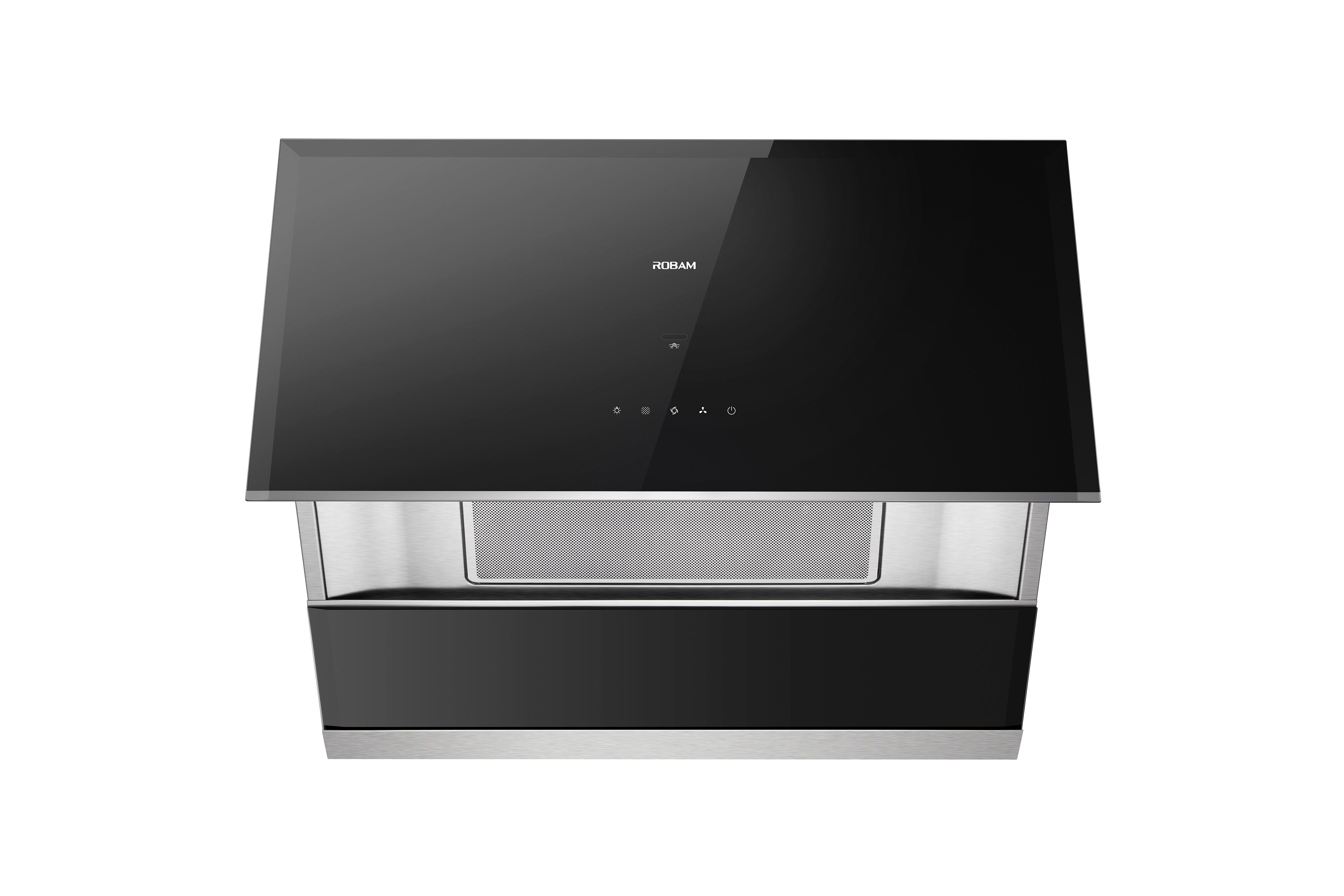
- High-performance ventilation systems like the ROBAM Mega Power Range Hood R-Max 3 efficiently capture smoke, grease, and odors, helping to protect cabinet finishes and maintain better air quality.
- Precision cooking appliances such as the ROBAM FireCube 30" Cooktop allow precise heat control, complementing durable cabinet materials by minimizing heat-related wear.

- Built-in solutions like the ROBAM Combi Steam Oven CQ762 integrate seamlessly into tall cabinets and modular layouts, ensuring a streamlined appearance and functional workflow.

Planning your cabinet layout with appliances in mind ensures adequate space, ventilation, and long-term performance. Modern kitchens benefit from careful attention to clearance, dimensions, and installation guidelines for built-in equipment.
Planning Cabinet Space for Built-in Kitchen Appliances
Proper cabinet design must accommodate appliances safely and efficiently. Experts generally recommend leaving extra clearance around built-in units to allow ventilation, installation flexibility, and future maintenance. Key guidelines include:
- Leave ¼ to 1 inch of extra space around built-in appliances.
- Allow 1–2 inches of ventilation gap around cooktops or ranges.
- l Always follow manufacturer installation guidelines for safety and optimal performance.
Standard U.S. Kitchen Cabinet Dimensions
Understanding standard dimensions helps ensure appliances fit seamlessly:
Base Cabinets
- Height: 34.5 inches (36 inches with countertop)
- Depth: 24 inches
- Width: 12–48 inches
Range Hoods
- Common width: 30 or 36 inches
- Installation height: 24–36 inches above cooktop
Cooktops
- Width: 30–36 inches
- Depth: 19–22 inches
Wall Ovens
- Width: typically 30 inches
- Installed in tall cabinets.
By integrating cabinets with advanced appliances, you can create a cohesive kitchen ecosystem that is both functional and visually appealing. Planning for proper spacing, ventilation, and appliance compatibility ensures your kitchen not only looks modern but also performs efficiently for years to come.
Final Thoughts
Choosing the right kitchen cabinet materials requires balancing durability, budget, aesthetics, and compatibility with appliances. Understanding what material are kitchen cabinets made of and comparing the types of kitchen cabinet materials can help homeowners design a kitchen that performs well for years.
Modern kitchens increasingly combine high-quality cabinetry with smart appliances and ventilation systems. With careful planning, homeowners can create a functional and stylish kitchen that supports cooking efficiency, comfort, and long-term durability.

FAQ About Kitchen Cabinet Materials
1. What is the best wood for cabinet doors?
Popular choices include maple, oak, walnut, and cherry because they are durable and visually appealing.
2. What are best waterproof material for kitchen cabinets?
Marine plywood, PVC, stainless steel, and laminate with moisture-resistant cores are the most reliable waterproof options.
3. What is the best material for high-end kitchen cabinets?
Solid hardwood, marine plywood, and UV lacquer finishes are commonly used in luxury kitchens.
4. Kitchen Cabinets MDF vs Plywood: Which Material Is Better?
Plywood is generally more durable and moisture resistant, while MDF offers a smoother surface for painted cabinets and is more affordable.
5. What is the latest material for kitchen cabinet?
Sustainable engineered boards, acrylic finishes, and UV lacquer cabinets are among the newest materials gaining popularity in modern kitchen design.
Reference
11 Types of Cabinet Materials: From MDF to Stainless Steel
25 Kitchen Cabinet Materials: Common Options For Every Budget
8 Kitchen Cabinet Material Types – A Complete Guide


