



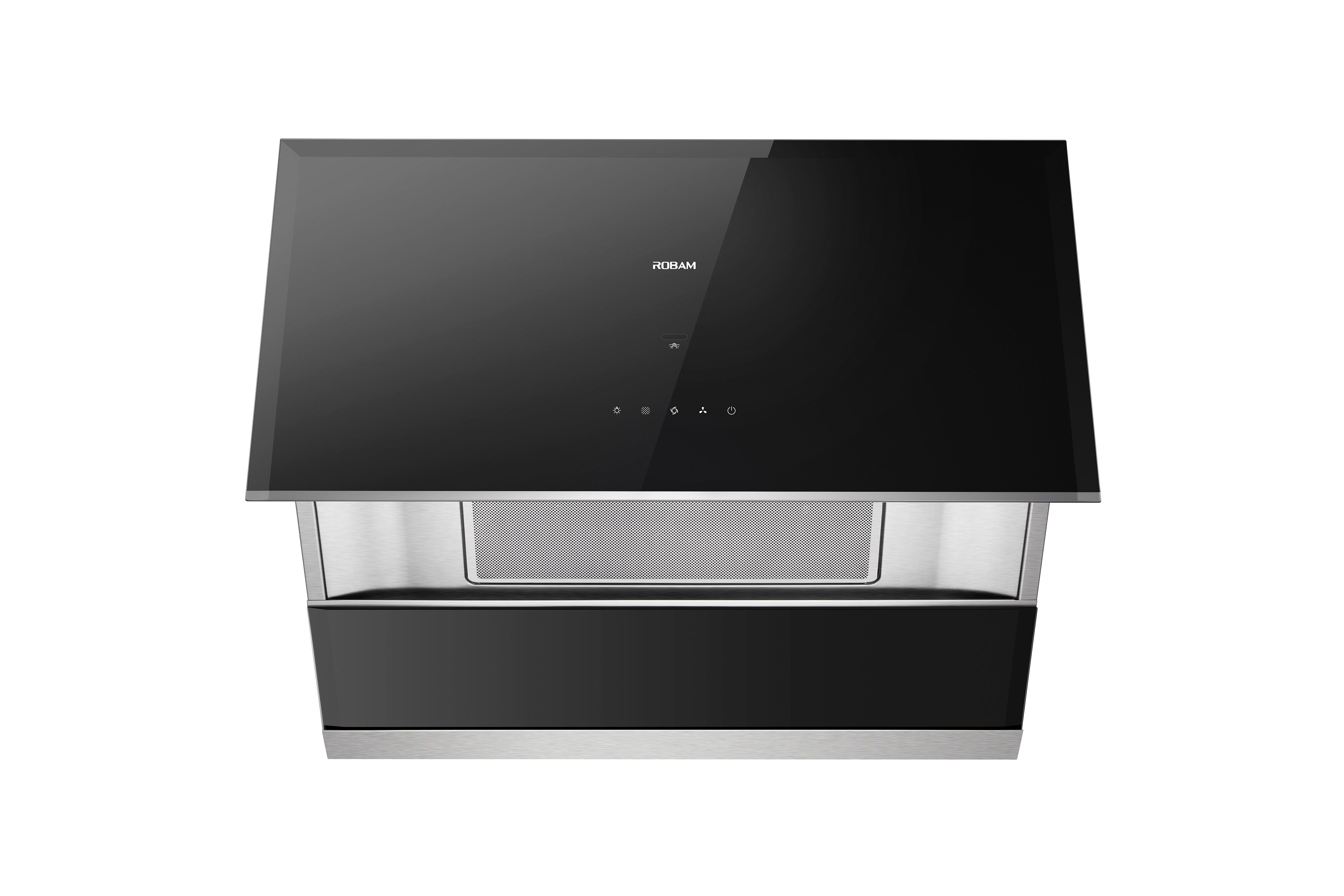


Choosing a range hood is not simply a matter of style or brand preference. From an industry perspective, proper kitchen ventilation plays a critical role in indoor air quality, long-term appliance performance, and everyday cooking comfort. Yet many homeowners underestimate how technical this decision can be.
If you are researching how to choose a range hood, wondering what to look for when buying a range hood, or comparing options to decide which range hood to buy, this checklist provides a structured, expert-based framework. Rather than focusing on sales claims, it highlights the practical considerations professionals use when evaluating ventilation systems for real kitchens.

1. Do I Have the Correct Measurements?
Accurate measurements are the foundation of effective ventilation. Even a powerful range hood will underperform if it is incorrectly sized or poorly positioned.
Width
As a general rule, the range hood should be at least as wide as your cooktop. For optimal smoke and grease capture—especially when using gas or high-heat cooking—many experts recommend selecting a hood that is slightly wider than the cooktop. Common cooktop widths are 30" and 36".
Installation Height
Recommended clearances:
- Electric cooktops: 20–24 inches
- Gas cooktops: 24–30 inches
Also confirm cabinet depth, ceiling height, and duct outlet alignment. Incorrect measurements are one of the most common causes of post-installation dissatisfaction.
2. Is My Ductwork Ready or Does It Need Modification?
Understanding ventilation type is essential when learning how to select a range hood.
Ducted vs. Ductless Systems
|
System Type |
Advantages |
Limitations |
|
Ducted (vents outside) |
Best removal of smoke, grease, odors, and heat |
Requires exterior venting |
|
Ductless (recirculating) |
Easier installation |
Less effective, ongoing filter replacement |
For frequent or heavy cooking—particularly with gas ranges—ducted ventilation is widely recommended by ventilation professionals. Duct length, diameter, number of bends, and the presence of a backdraft damper all influence real-world performance.

3. Have I Calculated My Required CFM Accurately?
CFM (cubic feet per minute) measures how much air a range hood can move. Selecting the right level is critical: too little airflow leads to lingering smoke, while excessive airflow may increase noise and energy use.
Common Calculation Methods
- Gas ranges:
Total BTU output ÷ 100
(Example: 60,000 BTUs → 600 CFM)
- Electric ranges:
Cooktop width (in inches) × 10
(36" → 360 CFM minimum)
- Room volume method:
(Length × Width × Height) × 15 air changes ÷ 60
Practical Guidance
- Light cooking: 300–400 CFM
- Daily family cooking: 400–600 CFM
- Heavy or oil-intensive cooking: 600+ CFM
Effective ventilation depends not only on peak CFM but also on airflow stability, hood design, and duct conditions.

4. What Is My Maximum Budget?
Setting a realistic budget is an essential step when deciding ‘What range hood should I buy?’, as total costs typically extend beyond the price of the hood itself. From an industry perspective, range hood budgeting should be treated as a system-level investment, not a single-product purchase.
Setting Your Maximum Budget: Key Factors
Your maximum budget should include:
- The range hood unit
- Professional installation
- Any required ductwork modifications
- Optional extras such as replacement filters or chimney extensions
National cost data indicates that most homeowners spend between $500 and $3,000+ in total, depending on kitchen layout and installation complexity. Because labor rates vary widely, costs can differ by 20–50% by location, making multiple local quotes advisable.
Hood Cost by Category (Hood Only)
|
Category |
Typical Price Range |
Best Suited For |
|
Basic / Entry-Level |
$100–$400 |
Light cooking, simple under-cabinet designs |
|
Mid-Range |
$400–$1,200 |
Wall-mount or chimney styles with balanced performance |
|
Premium / High-Performance |
$1,200–$3,000+ |
Heavy cooking or open kitchens |
For most households, the mid-range category offers the strongest balance of cost and capability.
Long-Term Ownership Considerations
Ducted systems offer superior long-term performance and lower maintenance, while ductless systems trade convenience for higher recurring costs. Industry guidance generally favors ducted ventilation for frequent or high-heat cooking.
Including a 10–20% contingency buffer helps avoid surprises during installation.
5. What Style Best Complements My Kitchen?
Beyond airflow and noise levels, a range hood also plays a visible role in the kitchen's overall design. Because it often sits at eye level, the wrong style can feel out of place—even if performance is adequate.
When evaluating style, focus on how the hood interacts with the rest of the space:
Kitchen design language:
- Modern or minimalist kitchens often work best with clean-lined wall-mount or chimney-style hoods.
- Transitional kitchens can accommodate softer shapes or semi-integrated designs.
- Traditional or custom kitchens may benefit from hood inserts hidden behind cabinetry or decorative surrounds.
Scale and proportion:
A smaller kitchen may feel visually crowded by an oversized or highly decorative hood, so choosing the right size is key.
Finish coordination:
Matching the hood's finish with appliances, cabinet hardware, or lighting fixtures helps maintain visual consistency, even when the hood itself is understated.
A well-chosen style doesn't compete with the kitchen—it supports the overall design while allowing ventilation performance to do its job quietly in the background.
6. What Are the Warranty and Customer Service Terms?
Warranty and customer service considerations rarely influence first impressions, but they often matter most after the hood has been installed and in daily use.
Most range hoods include a limited warranty that covers core components such as the motor and electrical systems, while consumable parts like grease or charcoal filters are excluded. The length of coverage can vary, but understanding what is covered is just as important as how long the coverage lasts.
Customer service is the other half of the equation. Clear documentation, accessible technical support, and readily available replacement parts can make long-term ownership far less stressful—especially for hoods with electronic controls, integrated lighting, or specialized filters.
It's also worth checking whether proper installation methods are required to keep the warranty valid. Some manufacturers specify professional installation or correct ducting configurations, and overlooking these details can lead to avoidable issues later on.
In short, transparent warranty terms and reliable support don't add visible features—but they significantly reduce risk over time.

7. Final Review: Does This Hood Meet All My Needs?
Before committing to a purchase, take a final pause and review the hood as a complete system rather than a collection of specifications.
Ask yourself:
- Does the airflow capacity realistically match how often and how intensely you cook?
- Is the hood size, mounting style, and venting method appropriate for your kitchen layout?
- Are noise levels, filter maintenance, and long-term costs acceptable for daily use?
Next, consider the practical side of ownership. A hood that performs well on paper should also be easy to live with—simple cleaning, manageable maintenance, and no unexpected installation compromises.
If the hood aligns with your cooking habits, fits your kitchen visually, stays within your budget after installation, and offers reasonable warranty coverage, it meets the core criteria of a smart purchase.
At that point, you're no longer guessing—you're making a decision based on a complete, well-balanced checklist.
Applying the Checklist: Practical Scenarios
|
Cooking Scenario |
Primary Priority |
|
Gas or wok cooking |
Higher CFM, ducted |
|
Open-plan kitchen |
Noise control |
|
Heavy oil use |
Wide capture area |
|
Design-focused remodel |
Insert or chimney style |
|
Long-term ownership |
Warranty strength |
ROBAM's current range hood lineup—including R-Max3, 86H1S, A672, and A6720—covers a wide range of these scenarios, allowing homeowners to match performance level to cooking habits rather than choosing based on appearance alone.

Final Thoughts
Understanding how to pick a range hood requires balancing airflow science, kitchen design, and long-term reliability. By following this checklist, homeowners can avoid common issues such as insufficient ventilation, excessive noise, or unexpected installation costs.
A well-chosen range hood improves indoor air quality, protects kitchen surfaces, and enhances everyday cooking comfort—making it one of the most important functional investments in a modern kitchen.
Reference
Range Hood Installation Cost [2026 Data]
How much does range hood installation cost?
How To Find The Best Range Hood For Your Home


