
FAQ for White Range Hood
Q: Are white range hoods difficult to keep clean?
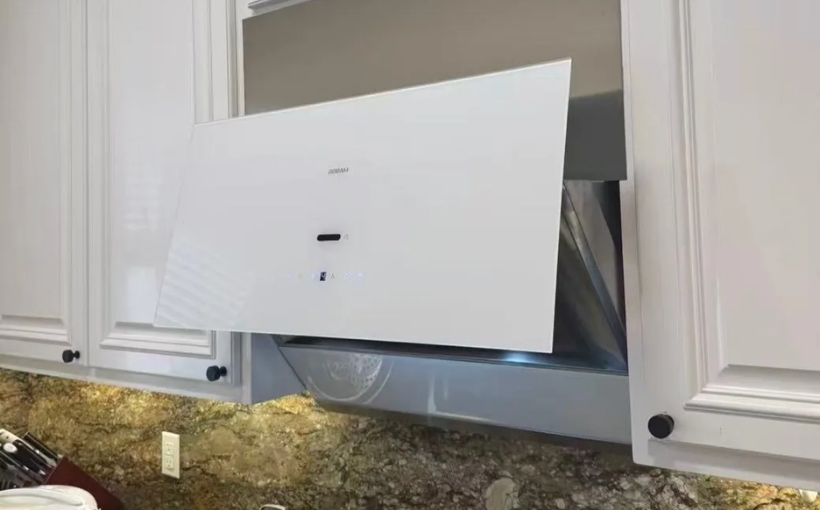
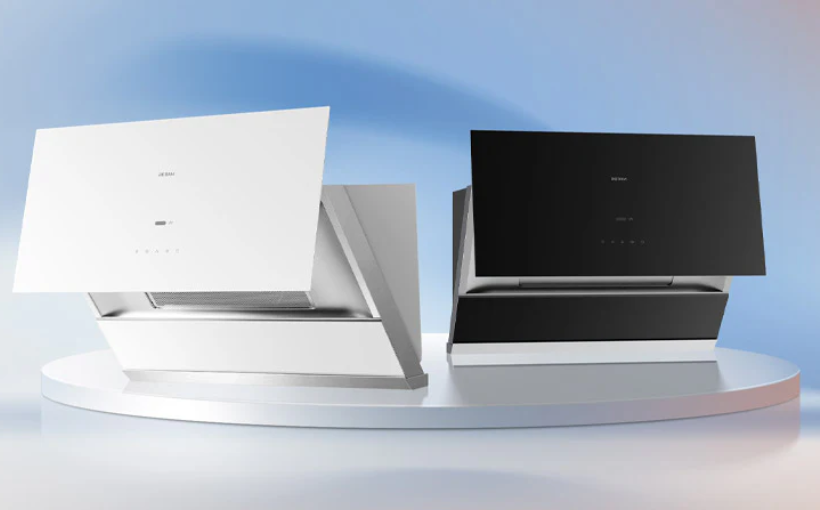
A: While they may show some grease splatter more readily than stainless steel, modern white range hoods typically have smooth, easy-to-wipe surfaces like enamel or glass. Regular cleaning with a mild degreaser keeps them looking bright. Matte finishes can be more forgiving than glossy ones.
Q: Do white hoods turn yellow over time, especially near heat?
A: High-quality white kitchen hoods from reputable brands use heat-resistant and UV-stable paints and materials designed to resist yellowing or discoloration from both cooking heat and ambient light. It's important to follow the manufacturer's cleaning guidelines to maintain the finish.
Q: Can I get a powerful extraction motor in a white hood?
A: Absolutely. The color of the hood's exterior has no relation to the motor inside. You can find white range hood models with high CFM ratings, quiet operation, and advanced features just like their stainless steel counterparts. Performance is determined by the model, not the finish.
Q: Is a white hood a good idea in a kitchen with no other white appliances?
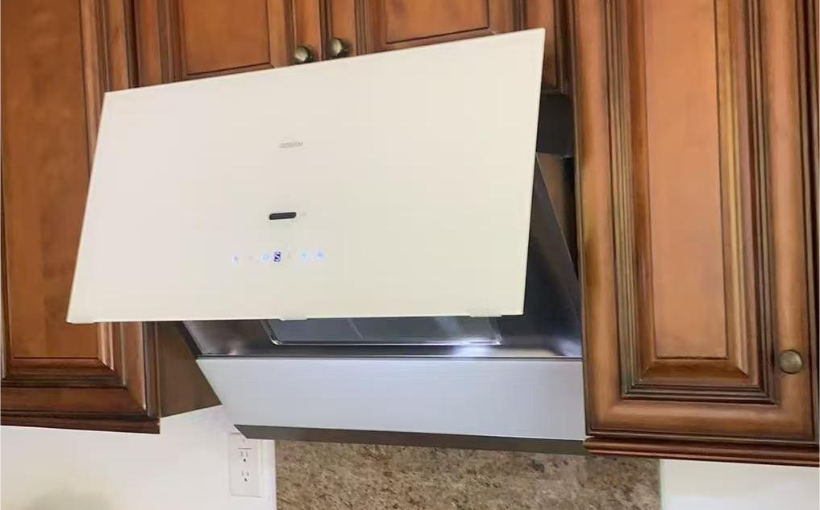
A: Yes, it can be a brilliant design choice. A white vent hood can act as a standalone "accent appliance," providing visual relief and balance in a kitchen dominated by wood tones, black appliances, or colorful cabinets. It draws the eye upward and adds a layer of interest.
Q: Are there ductless options available in white?
A: Yes, many ductless range hood models come in a white finish. A white recirculating range hood can be a great solution for apartments or kitchens where installing ductwork is not feasible, allowing you to maintain your desired light and airy aesthetic.