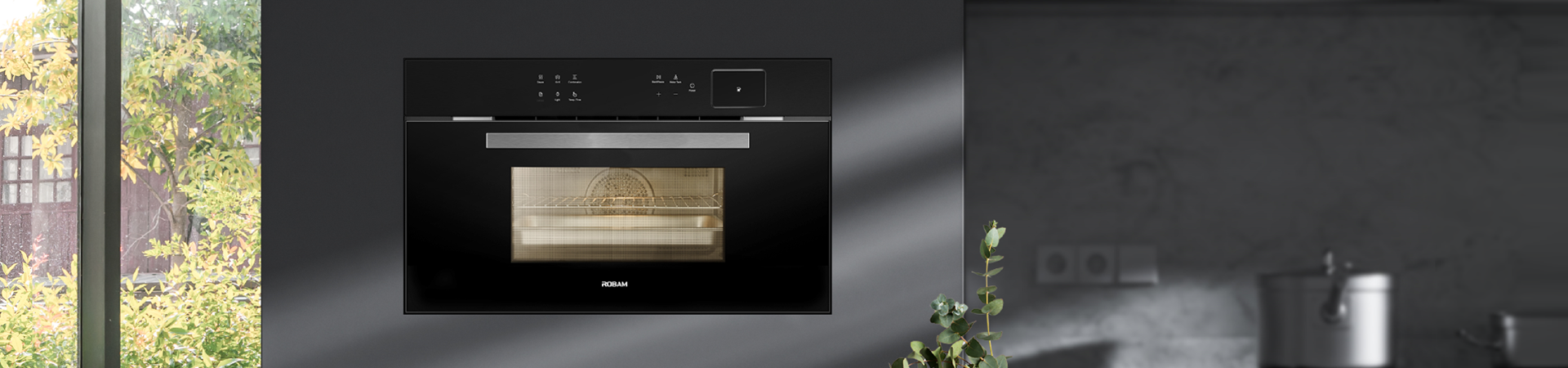



In modern kitchens, ventilation is no longer just a functional requirement—it is a key element that influences indoor air quality, cooking comfort, and overall kitchen design. As home cooking becomes more diverse and open-plan kitchens grow increasingly popular, homeowners are paying closer attention to how ventilation systems perform in real-world conditions.
Understanding how to choose a hood vent requires more than comparing appearance or basic specifications. It involves evaluating cooking habits, kitchen layout, airflow requirements, and how ventilation integrates into the overall cooking workflow. This guide explores three major categories of specialty range hoods—range hood inserts models, high-suction hoods for intense cooking, and custom hood designs—helping homeowners make informed decisions that balance performance and aesthetics.
Key Takeaways
- Range hood inserts are the functional core hidden inside cabinetry or decorative enclosures, offering powerful ventilation while maintaining a seamless built in look for custom kitchens.
- For intense cooking like frequent stir frying or wok cooking, high suction hoods delivering 850 to 1400+ CFM with dual vent designs are recommended to quickly remove smoke, grease, and odors.
- Custom range hoods intentionally highlight ventilation as a design focal point, using shapes like chimney, bell shaped, or flat panel designs to make an architectural statement.
- A key sizing rule for inserts: the unit should be about 2 inches smaller than the cabinet opening (e.g. 28 inch insert for a 30 inch opening) to allow proper clearance and airflow.
- Ducted systems that vent outside are strongly preferred over ductless for specialty hoods, as they completely remove grease and moisture rather than just filtering and recirculating air.
- For high performance ventilation, look for features like high static pressure, deep extraction cavities, and multiple speed controls to match airflow to cooking intensity.

1. The Complete Guide to Range Hood Inserts
Range Hood Inserts are the functional core of a custom ventilation system. Designed to be installed inside cabinetry, wood hoods, or decorative enclosures, these units provide powerful ventilation while seamlessly integrating into the kitchen design. This makes them an excellent choice for kitchens that prioritize clean lines, built-in aesthetics, and flexible design coordination.
By separating ventilation performance from exterior appearance, Range Hood Inserts offer both design freedom and reliable smoke and grease removal, making them suitable for a wide range of residential kitchen layouts.
How Range Hood Inserts Work
These inserts house the blower and filters, which handle smoke, grease, and odors before they can spread through the kitchen. Unlike visible wall-mounted or island hoods, Range Hood Inserts are mostly concealed, leaving only the control panel, lighting, and filters visible. This combination of high performance and discreet design makes them ideal for both modern and traditional kitchens.
Key Features
- Powerful Ventilation: Designed to handle heavy cooking tasks, including gas ranges and frequent frying.
- Variable Speeds: Multiple fan levels allow precise airflow control.
- Lighting: Integrated LED lights illuminate the cooktop area.
- Maintenance-Friendly: Removable, dishwasher-safe filters simplify cleaning.
- Flexible Design: Can be hidden behind custom cabinetry, wood hoods, or decorative panels.
Range Hood Insert Sizing & Performance Guidelines
To ensure maximum effectiveness, consider the following technical parameters:
|
Aspect |
Guideline |
Notes |
|
Sizing Rule |
Insert is typically 2 inches smaller than cabinet/enclosure opening |
Example: 30-inch opening → 28-inch insert; 36-inch opening → 34-inch insert. This allows clearance for airflow and secure mounting. |
|
Cooktop Coverage |
Hood width should match or slightly exceed cooktop width |
For higher efficiency, consider 6 inches wider overall (3-inch overhang per side) to capture more smoke and steam. |
|
CFM (Cubic Feet per Minute) |
600–900 CFM for standard cooking; 900+ CFM for high-BTU ranges, frequent frying, or open layouts |
Ensures strong smoke capture and meets typical ventilation performance standards. |
|
Installation Options |
Ducted (venting outside) preferred; ductless is alternative |
Ducted systems remove grease and moisture entirely, ductless relies on filtration. |
This table highlights the key technical choices that influence what is the best range hood insert for your kitchen, balancing size, performance, and installation requirements.
When to Choose a Range Hood Insert
- Custom cabinetry kitchens or luxury remodels
- Homeowners who want a clean, integrated look
- Kitchens with ceiling-height cabinets
- Households with frequent or intensive cooking habits
Summary
Range Hood Inserts allow homeowners to combine professional-level ventilation with a discreet design. By paying attention to sizing, coverage, airflow, and installation type, these inserts ensure that kitchens remain smoke-free, comfortable, and aesthetically cohesive. For those looking for real-world examples, the ROBAM CleanAir Series provides high-performance inserts that blend seamlessly into cabinetry, offering reliable extraction for heavy cooking while maintaining a minimalist, built-in appearance.

2. High-Suction Range Hood Types for Intense Cooking
For kitchens where intense heat and heavy smoke are common—such as frequent stir‑frying, wok cooking, or deep-frying—standard under-cabinet ventilation may not provide sufficient extraction. In these cases, high-suction range hoods, including island exhaust hood options, designed for powerful airflow and robust grease handling are essential to maintain clean air and comfortable cooking conditions.
Modern high‑suction hoods typically incorporate larger motors, advanced airflow design, and deeper extraction cavities to capture smoke and steam more effectively at the source. An example of this in practice is seen in range hoods from the CHIMNEY STYLE Series, which integrate multiple inlets and high static pressure to ensure comprehensive capture even under heavy cooking loads.
Key Features of High-Suction Range Hoods
-
High Airflow Capacity:
Effective units often deliver 850–1400+ CFM, enabling them to remove smoke, steam, and odors quickly—even during intense cooking sessions when multiple burners are in use. -
Dual-Vent or Multi-Inlet Designs:
By combining more than one intake path, these hoods balance airflow across the entire cooktop surface, reducing dead zones where smoke might otherwise escape. -
Deep Cavity and High Static Pressure:
Expanded extraction cavities and high static pressure enhance suction efficiency, allowing rapidly rising fumes and grease particles to be captured before they spread into the kitchen. -
Advanced Motor Control:
Brushless motors and intelligent speed control adjust suction in real time based on cooking fumes, ensuring efficient extraction while minimizing noise and power waste.
Why High-Suction Matters for Intense Cooking
When preparing dishes that generate significant smoke or grease—such as wokfrying or searing—higher suction power ensures:
- Faster removal of airborne particles and odors
- Reduced grease buildup on walls and cabinetry
- More comfortable ambient air temperature
- Improved indoor air quality for the household
In general, units delivering 900 CFM and above are commonly recommended for these purposes, as they offer sufficient capacity to handle the demands of heavy cooking without excessive noise or strain on the motor and filters.

3. Custom Hoods: Shapes, and Design Ideas
Custom range hoods elevate ventilation from a functional component to a design feature. Rather than concealing the hood, custom designs intentionally highlight it as a focal point within the kitchen. In this category, the range hood transforms into an architectural statement, blending powerful performance with bespoke aesthetics. Many homeowners also opt for a grey range hood to complement modern or neutral-toned kitchens.
Common Design Shapes
- Chimney or box-style
- Bell-shaped or arched
- Flat-panel minimalist designs
- Tapered or geometric styles for a modern architectural statement
Custom hoods can be designed to incorporate LED task lighting, accent lighting, or even hidden smart controls, making the hood both functional and visually striking. They are particularly effective in open-concept layouts where the kitchen is visible from living or dining areas. For homeowners seeking flexible installation, a retractable downdraft range hood can be integrated behind a cooktop, keeping the countertop clean and uncluttered while providing powerful extraction when needed. By carefully selecting materials and finishes, a hood can serve as a centerpiece while maintaining full ventilation efficiency.

Conclusion
Specialty range hoods address the diverse needs of today's kitchens, from compact spaces to fully customized culinary environments. Range hood inserts provide hidden power and flexible design integration, high-suction hoods support intensive cooking scenarios such as stir-frying or searing, and custom hoods transform ventilation into a visual centerpiece.
By understanding airflow requirements, sizing principles, installation considerations, and integration strategies, homeowners can make informed decisions that enhance air quality, improve cooking comfort, and support enjoyable everyday living.
A thoughtfully chosen range stove hood is not just an appliance—it is a foundational element of a kitchen designed for performance, comfort, and long-term satisfaction. For those seeking reliable, high-performance kitchen ventilation solutions, premium options like ROBAM range hoods, including the CHIMNEY STYLE Series, combine advanced technology, strong extraction, and thoughtful design to ensure kitchens remain efficient, functional, and visually cohesive.
FAQs
What is a range hood insert and why would I choose one over a traditional hood?
A range hood insert is the ventilation mechanism without the exterior shell, designed to be hidden inside custom cabinetry or a decorative wood hood. You would choose one when you want professional-level ventilation power but need the hood itself to be invisible or blend seamlessly into your kitchen design. Inserts are ideal for custom kitchens where the hood should not compete with other design elements.
How many CFM do I need for heavy wok cooking or frequent frying?
For intense cooking like wok stir-frying or deep frying, you should look for 900 CFM or higher. Standard cooking needs 600–900 CFM, but high-suction hoods delivering 850–1400+ CFM are recommended for rapidly removing large volumes of smoke, grease, and steam. High static pressure and deep capture cavities are also important features for these demanding cooking styles.
Does a range hood insert need to be exactly the same size as my cooktop?
No, the insert should be slightly smaller than its enclosure, but should match or exceed your cooktop width. As a sizing rule, a 30-inch cabinet opening takes a 28-inch insert, and a 36-inch opening takes a 34-inch insert. For better smoke capture, choose a hood 6 inches wider than your cooktop (3 inches overhang per side) to catch rising steam and grease more effectively.
Can I install a high-suction range hood in an open-concept kitchen without excessive noise?
Yes, if you choose a model with advanced motor control and variable speeds. Modern high-suction hoods use brushless motors and intelligent speed adjustment that run quietly at normal settings while still providing high CFM when needed. For open layouts, prioritize hoods with low sone ratings (noise levels) and look for features like dual inlets that balance airflow without creating disruptive sound.
What style of custom range hood works best for a modern minimalist kitchen?
A flat-panel or tapered geometric design in a neutral finish like grey, white, or stainless steel works best for modern minimalist kitchens. Chimney-style and box-shaped hoods also fit clean aesthetics. The key is to treat the hood as an architectural line, not an ornament. For ultimate minimalism, a retractable downdraft hood disappears into the countertop when not in use, leaving no visual footprint.
Reference
How Much Ventilation Do I Need?