


Modern kitchen design continues to evolve, and many homeowners are looking for the latest material for kitchen cabinet solutions that combine durability, style, and easy maintenance.
In contemporary cabinetry, cabinets are typically built with engineered core boards such as plywood or MDF, combined with advanced surface finishes. These finishes determine the cabinet’s appearance, scratch resistance, and long-term durability.
Among the latest cupboard materials, finishes like acrylic high gloss panels and uv lacquer coatings are widely used in modern kitchens. Acrylic surfaces create a bright, reflective look, while uv resistant lacquer finishes provide a smooth painted appearance with improved hardness and color stability.
Newer materials such as PET decorative panels and nano-technology super matte surfaces are also becoming popular in high-end kitchen designs. These materials offer improved scratch resistance, durability, and modern visual effects.
Understanding these materials helps homeowners choose cabinet finishes that balance aesthetics and everyday performance.
Key Takeaways
- Acrylic high gloss cabinets offer a mirror like reflective finish with strong moisture resistance and easy cleaning, though standard versions can be scratch prone. Anti scratch options are now available.
- UV lacquer finishes are cured under ultraviolet light, creating a hard, uniform surface with strong resistance to fading and yellowing. These are common in modern modular kitchens.
- PET decorative panels are an emerging eco friendly option with strong scratch resistance and consistent color. They are increasingly used in European style cabinets as a durable alternative to traditional high gloss finishes.
- Nano technology super matte surfaces provide ultra low light reflection, soft touch texture, anti fingerprint performance, and very high scratch resistance. These are found in premium high end kitchens.
- High performance ventilation helps protect cabinet finishes – Powerful range hoods remove airborne grease particles, keeping modern surfaces cleaner and reducing visible residue on high gloss or matte cabinets.

The Latest Materials for Kitchen Cabinets
Acrylic High Gloss Cabinets
Acrylic high-gloss cabinets are known for their mirror-like reflective finish, which creates a bright and modern look. Acrylic panels are typically made by bonding a thick acrylic sheet to MDF or particleboard.
Key benefits include:
- High-gloss modern appearance
- Strong moisture resistance
- Good color stability
- Smooth surfaces that are easy to clean
However, standard acrylic surfaces can be relatively prone to scratches compared with materials like high-pressure laminate. The advantage is that minor scratches can often be polished and repaired. Some manufacturers now offer anti-scratch acrylic panels with improved durability.
Because of their reflective surfaces, acrylic cabinets are often used in modern minimalist kitchens and luxury high-gloss interiors.

UV Lacquer Cabinets
UV lacquer is another popular cabinet finish used in modern kitchens. In this process, the paint coating is cured under ultraviolet light during manufacturing, allowing it to harden quickly and evenly.
This curing method produces a finish with:
- High surface hardness
- Uniform color distribution
- Strong resistance to fading or yellowing
- Consistent manufacturing quality
UV lacquer cabinets are commonly used in modern modular kitchens, particularly when smooth painted surfaces are desired.

PET Decorative Panels
PET (Polyethylene Terephthalate) decorative panels are becoming one of the latest materials used in modern kitchen cabinets.
PET surfaces offer several advantages:
- Strong scratch resistance
- Good moisture resistance
- Environmentally friendly and recyclable material
- Consistent color and texture
Compared with traditional acrylic finishes, PET panels are often more resistant to scratches and everyday wear. Because PET can also be produced with low emissions, it is increasingly used in eco-friendly kitchen designs and modular cabinet systems.
Many contemporary European cabinet manufacturers have adopted PET surfaces as a durable alternative to traditional high-gloss finishes.

Nano-Technology Super Matte Surfaces
Another emerging trend is nano-technology super matte cabinet surfaces, which are increasingly used in premium kitchen designs.
These materials incorporate nano-scale surface structures that provide:
- Extremely low light reflection
- Soft-touch matte texture
- Advanced anti-fingerprint performance
- High resistance to scratches and abrasion
Super matte nano surfaces are frequently featured in high-end European kitchen showrooms and international furniture exhibitions. Their elegant appearance and improved surface performance make them one of the most innovative cabinet material trends today.

Comparison of Modern Cabinet Materials
|
Material |
Appearance |
Scratch Resistance |
Maintenance |
Typical Use |
|
Acrylic High Gloss |
Mirror-like gloss |
Moderate |
Easy cleaning |
Modern luxury kitchens |
|
UV Lacquer |
Smooth painted finish |
High |
Low maintenance |
Contemporary cabinets |
|
PET Panels |
Matte or satin |
High |
Easy |
Eco-friendly kitchens |
|
Nano Super Matte |
Ultra matte |
Very high |
Anti-fingerprint |
Premium kitchens |
Each material offers a different balance between appearance, durability, and cost, which is why modern cabinets often combine multiple materials.
How Kitchen Appliances Affect Cabinet Materials
Modern kitchens are increasingly designed as integrated systems, where cabinetry and appliances work together.
Cooking appliances generate heat, steam, and grease particles, which can accumulate on cabinet surfaces over time. This is particularly noticeable on high-gloss finishes such as acrylic or lacquer, where oil residue and fingerprints are more visible than on textured surfaces.
For this reason, effective ventilation plays an important role in protecting cabinet materials.
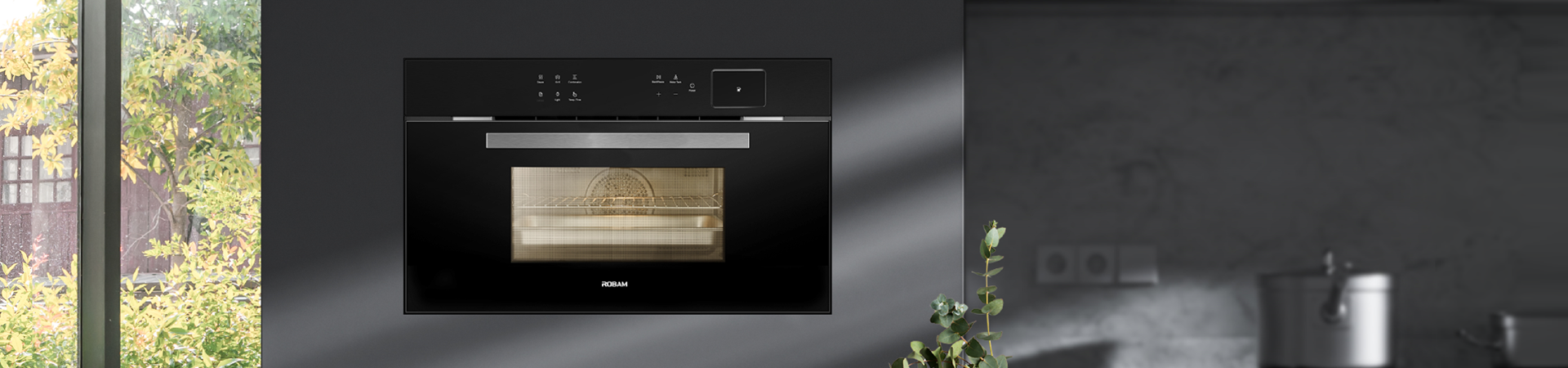
High-performance ventilation appliances, such as those produced by ROBAM, are designed to remove cooking smoke and grease quickly. By reducing airborne oil particles, powerful range hoods help keep cabinet surfaces cleaner and protect modern finishes from grease buildup.
When designing a modern kitchen, professionals increasingly consider both cabinet materials and appliance performance to ensure long-term durability.

Future Trends in Kitchen Cabinet Materials
Kitchen cabinet materials will continue evolving as manufacturers pursue better performance, sustainability, and design flexibility.
Several trends are shaping the next generation of kitchen cabinetry:
Anti-Fingerprint Surfaces
Super matte materials with anti-fingerprint technology are becoming increasingly popular.
Eco-Friendly Materials
Manufacturers are adopting low-formaldehyde boards and recyclable decorative surfaces to meet environmental standards.
Modular Kitchen Systems
Cabinet systems are increasingly designed to integrate seamlessly with appliances and smart storage solutions.
Hybrid Material Construction
Future cabinets will likely combine multiple structural boards and advanced surface finishes to improve both durability and design versatility.
Conclusion
So, what is the latest material for kitchen cabinets?
Established finishes such as acrylic high-gloss panels and UV lacquer coatings remain widely used in contemporary kitchens. Meanwhile, PET decorative panels and nano-technology super matte surfaces represent some of the latest innovations in cabinet materials, offering improved scratch resistance, sustainability, and surface performance.
By choosing the right combination of materials, homeowners can create kitchens that are both visually appealing and durable for everyday use.

Frequently Asked Questions (FAQ)
What is the best material for kitchen cabinets overall?
Different materials offer different advantages. Engineered boards with advanced finishes are widely used in modern kitchens for their durability and appearance.For a full comparison of all available options, you can explore kitchen cabinet material options and understand the pros and cons of each material.
What wood is commonly used for cabinet doors?
Hardwoods such as oak, maple, and cherry are common choices for traditional cabinets, while engineered boards are widely used for modern designs. To understand how these options compare, check out this guide to choosing the best wood for cabinet doors.
Which materials are best for waterproof kitchen cabinets?
Moisture-resistant plywood, laminated panels, and acrylic-coated boards are often recommended for humid kitchens. If moisture resistance is a priority, you might want to read more about waterproof material for kitchen cabinets.
What materials are used in luxury kitchen cabinets?
High-end kitchens often combine plywood cabinet structures with premium surfaces such as lacquer, acrylic, or veneer. For a detailed breakdown of premium options, see this overview of modern luxury kitchen cabinets.
Is MDF or plywood better for kitchen cabinets?
Both materials are commonly used in modern cabinetry. MDF provides smooth surfaces for painted finishes, while plywood offers better structural strength. For a deeper comparison of these two popular choices, check out plywood vs MDF for kitchen cabinets to see how the materials differ.
Reference
Kitchen Cabinet Materials: Top Choices & Trends