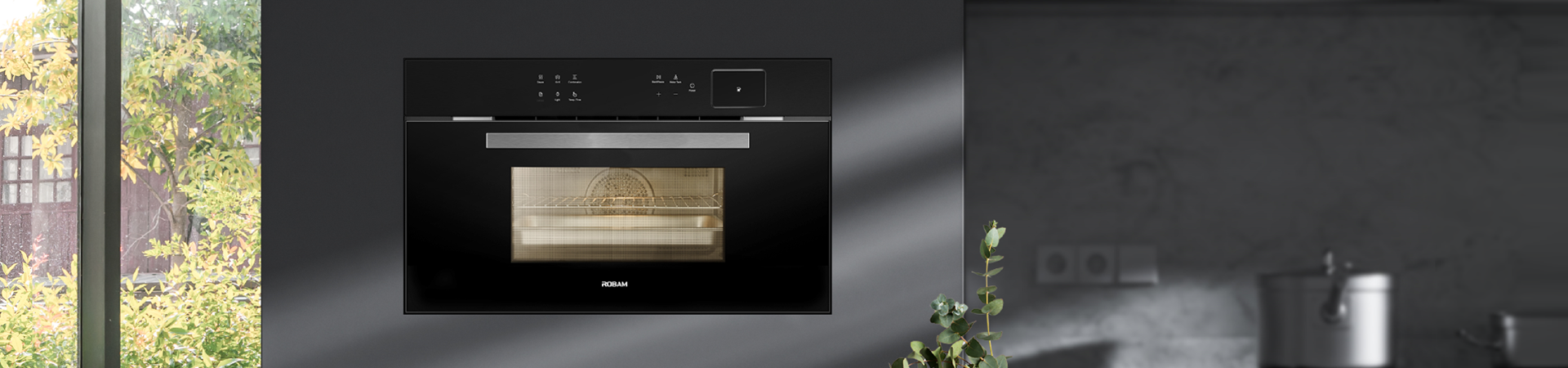



A French stove occupies a unique place in the kitchen world — it is equal parts cooking instrument, design statement, and artisan craft. When people say "French stove," they almost always mean a range from La Cornue or Lacanche: two French manufacturers that have been building cooking equipment by hand for over a century, using techniques and materials that set them apart from even the most expensive American professional-style ranges. These are not appliances you pick up at a showroom and install next Tuesday; they are custom-ordered, handcrafted in French workshops, shipped internationally, and often built into a kitchen design from the earliest planning stages. If you are still evaluating what type of cooking surface best fits your kitchen — gas, electric, induction, or a combination — browsing a broader selection of cooktops alongside these premium options helps frame the full range of possibilities and price points.
This guide covers the French stove category in practical terms: the two major brands and what distinguishes them, the engineering features that justify the pricing, the actual cost you should expect in 2026, the installation and service realities, and how cooking performance compares to high-end alternatives from American and Italian manufacturers. If you want a framework for evaluating any gas stove on its technical merits — BTU output, burner count, grate design, safety features — our gas stove top guide provides a step-by-step approach that applies at every price point.
Three points to understand before you shop. First, a French stove is closer to bespoke furniture than to a standard kitchen appliance — La Cornue's Château series offers over 8,000 configurations, and Lacanche provides dozens of color, burner, and oven combinations — which means lead times of 8 to 16 weeks and a purchasing process that involves project managers and signed specification sheets. Second, pricing spans an enormous range: the La Cornue CornuFé series starts around $9,000 to $11,000, Lacanche ranges start around $10,000, and La Cornue's Château series begins near $25,000 and can exceed $100,000 for fully bespoke configurations with custom finishes. Third, the cooking performance of French stoves is excellent — but it is not categorically superior to well-engineered ranges at a fraction of the price; what you are paying for above the $5,000 to $8,000 mark is increasingly craftsmanship, customization, heritage, and design rather than measurably better cooking results.
The Two Major French Stove Brands
La Cornue
La Cornue was founded in 1908 by Parisian herbalist and perfumer Albert Dupuy, who invented the vaulted oven — a convex, dome-shaped oven ceiling that reflects heat downward and creates natural convection without a fan. This patented design remains the centerpiece of La Cornue's Château series more than a century later. The company is based in Saint-Ouen-l'Aumône, northwest of Paris, and each Château range is individually handcrafted by a team of artisans using materials including Finnish metal (chosen for its strength), solid brass fittings, and hand-applied enamel finishes in virtually any color. La Cornue also produces the CornuFé series — a more accessible line that retains the brand's French design language but uses more standardized manufacturing processes, with models starting around $9,000 to $11,000. In the United States, La Cornue ranges are available through Williams Sonoma and authorized dealers.
Lacanche
Lacanche takes its name from the small village in Burgundy, France, where the company has manufactured cooking equipment since the 19th century. The brand developed France's first wood-burning oven and later its first gas stove, earning recognition from the French government's Ministry of Economy for its contributions to national industry. Lacanche ranges are less visually dramatic than La Cornue's — their design is deliberately understated, with smaller hardware, a cleaner façade, and proportions that blend into a kitchen rather than dominating it. This minimal aesthetic is one of the primary reasons buyers choose Lacanche over La Cornue. Lacanche offers two main design lines: Classique (traditional, with visible hinge hardware and period-appropriate details) and Moderne (cleaner lines, flush surfaces). Pricing starts around $10,000 for smaller models and climbs with size and customization. Lacanche ranges are widely regarded as workhorse cooking instruments with excellent burner performance and durable construction.
Signature Features of French Stoves
Vaulted Oven (La Cornue)
La Cornue's patented vaulted oven uses a convex ceiling inside the oven cavity to reflect radiant heat downward and create natural air circulation — essentially a passive convection system that produces even baking without a mechanical fan. The design dates to 1908 and remains unique in the industry. The vaulted shape distributes heat more uniformly than a flat-ceilinged conventional oven, particularly for bread, pastries, and roasts where even browning matters. Lacanche ovens use a different approach: vertical convection systems and optional specialized ovens (warming ovens, broiling ovens) rather than a vaulted ceiling.
Modular Configuration
Both La Cornue and Lacanche offer a degree of cooktop customization that standard ranges do not. On a Lacanche, you can choose combinations of gas burners (ranging from 5,000 to 18,000 BTU), a cast-iron simmer plate, a plancha (flat griddle surface), a French top (a solid iron plate heated from below, hottest at the center and cooler at the edges), or an induction zone. La Cornue's Château series extends this further: you are assigned a project manager, you select from gas, electric, and induction burner modules, choose oven types (gas, electric, or combination), and specify everything from handle style to enamel color. This level of customization is unmatched by any standard-production range manufacturer.
The French Top
The "French top" — also called a plaque coup de feu — is a distinctive feature found on many French stoves and some high-end commercial ranges. It is a solid cast-iron plate heated by a gas burner (typically 18,000 BTU) positioned beneath its center. The plate creates a gradient of heat: hottest directly above the burner and progressively cooler toward the edges. This allows a cook to manage multiple pots and pans at different temperatures simultaneously on a single surface by sliding them closer to or further from the center. The French top is particularly valued in classical French cooking technique, where sauces, stocks, and multiple preparations are managed simultaneously over extended periods.
Color and Finish
French stoves offer color options far beyond the stainless-steel-or-black palette of most ranges. La Cornue's Château series can be finished in virtually any color, matched to a paint chip or fabric swatch if needed. The CornuFé line offers roughly a dozen curated colors including matte black, ivory, Provence blue, cornflower blue, and emerald green. Lacanche offers over 20 standard colors across its Classique and Moderne lines, including French blue, provençal yellow, delft blue, burgundy, olive green, and stainless. Trim options (chrome, brass, nickel, stainless, copper) add another layer of personalization. This breadth of finish options is one of the core reasons designers and homeowners choose French stoves — the range becomes a design element that anchors the kitchen's visual identity rather than a neutral box that recedes into the background.
French Stove Pricing in 2026
French stove pricing breaks into three tiers. The La Cornue CornuFé — the most accessible French range — starts around $9,000 for the 36-inch model and $10,000 to $11,000 for the 43-inch model. Lacanche ranges start at approximately $10,000 for smaller configurations (such as the 30-inch Cluny) and climb to $15,000 to $25,000 for larger models like the 71-inch Sully or 86-inch Châgny with multiple ovens and customized cooktops. La Cornue's Château series — the fully bespoke, handcrafted line — starts near $25,000 and can exceed $100,000 for the largest configurations with custom finishes, multiple ovens, and specialized modules. Shipping from France to the United States typically adds $1,500 to $4,000 depending on the model size and delivery location. Installation by a qualified technician is strongly recommended and may add $500 to $1,500.
For context, a high-performance gas cooktop — such as the ROBAM Turbo Flame Series, which offers a 20,000 BTU wok burner, Italian DEFENDI brass construction, sealed burners, and 57,000 BTU total output across five burners — is available at a small fraction of the entry price of a French stove. The performance gap for everyday cooking (boiling, searing, stir-frying) is negligible compared to the price gap. What French stoves provide above and beyond is craftsmanship, visual design, customization, and heritage — qualities that matter enormously to some buyers and not at all to others.
Installation and Service Considerations
French stoves are heavy — often 400 to 800 pounds or more for larger models — and require careful planning for delivery, placement, and connection. Most models need both a gas line and a 240-volt electrical connection (for the electric oven, ignition system, and any electric or induction burner modules). Floor reinforcement may be necessary for upper-story installations. Because these ranges ship from France, lead times of 8 to 16 weeks are standard, and rush orders are generally not available.
Service is the most commonly cited concern among French stove owners in North America. La Cornue and Lacanche do not have the dense service networks of domestic brands like Wolf, Thermador, or GE. Finding a qualified technician who is familiar with French range construction — particularly the specialized oven systems, French-standard gas components, and proprietary burner configurations — can require effort outside major metropolitan areas. Both brands have US-based support contacts and parts distribution, but turnaround times for specialized parts may be longer than for domestic brands. Prospective buyers should verify service availability in their area before committing to a purchase.
Ventilation requirements are the same as for any high-BTU gas cooking appliance. The general guideline of 100 CFM per 10,000 BTU of total burner output applies, and larger French stoves with 60,000+ BTU total output require powerful ducted hoods. Choosing the right range hood for a gas stove should be planned alongside the range purchase — many French stove buyers pair their range with a custom or semi-custom hood that complements the aesthetic.
Cooking Performance: French Stoves vs. Alternatives
French stoves cook very well — that is not in question. The gas burners on both La Cornue and Lacanche ranges are well-engineered, with output ranging from 5,000 BTU simmer burners to 18,000 BTU power burners. The ovens, whether vaulted (La Cornue) or vertical-convection (Lacanche), produce even heat and excellent baking results. The French top, where available, is a genuinely useful tool for multi-pot cooking that few other residential ranges offer.
However, the cooking performance of a $10,000+ French stove is not categorically different from that of a well-engineered $3,000 to $7,000 professional-style range from Wolf, Thermador, BlueStar, or a high-performance cooktop from a manufacturer like ROBAM. The maximum BTU per burner on most French stoves (15,000 to 18,000) is actually matched or exceeded by some domestic ranges and cooktops (20,000+ BTU). Where French stoves distinguish themselves in cooking is the French top, the vaulted oven, and the overall ergonomics of a highly customized layout — advantages that are real but specific to certain cooking styles (classical French technique, extended multi-dish preparation) rather than universal.
FAQ
What is a French stove?
A French stove is a premium range handcrafted in France, typically from La Cornue or Lacanche. These ranges are known for artisan construction, extensive color and configuration options, unique engineering features (La Cornue's vaulted oven, the French top), and a design philosophy that treats the range as kitchen furniture. They are custom-ordered, shipped from France, and priced from approximately $9,000 to over $100,000.
How much does a French stove cost?
The La Cornue CornuFé starts around $9,000 to $11,000. Lacanche ranges start at approximately $10,000. La Cornue's handcrafted Château series begins near $25,000 and can exceed $100,000 for fully bespoke configurations. Shipping from France adds $1,500 to $4,000 and professional installation adds $500 to $1,500. Total investment for a French stove installation typically starts around $12,000 at the entry level.
What is the difference between La Cornue and Lacanche?
La Cornue is more visually dramatic — large hardware, bold design presence, the patented vaulted oven, and the widest customization range (over 8,000 Château configurations). Lacanche is more understated — cleaner lines, smaller hardware, a design that blends into the kitchen rather than dominating it, and a strong reputation as a reliable cooking workhorse. La Cornue tends to be chosen when the range is the design centerpiece; Lacanche tends to be chosen when performance and understated elegance are prioritized.
Can a French stove be serviced in the United States?
Yes, but service availability is more limited than for domestic brands like Wolf or Thermador. Both La Cornue and Lacanche have US-based support contacts and parts distribution. However, finding a local technician familiar with French range construction may require effort outside major cities. Verify service availability in your area before purchasing. Many standard components (gas valves, igniters, thermocouples) are serviceable by any qualified gas appliance technician, but proprietary parts (vaulted oven elements, French top plates, enamel panels) may need to be ordered from France.
Is a French stove worth the investment?
It depends on what you value. If craftsmanship, bespoke customization, heritage design, and the kitchen-as-furniture aesthetic are important to you — and the budget comfortably accommodates $10,000 to $100,000+ — a French stove delivers something that no mass-produced range can replicate. If your priority is cooking performance per dollar, a modern professional-style range or high-output cooktop delivers comparable or superior cooking results at one-fifth to one-tenth the price. The cooking performance gap above the $5,000 to $8,000 mark narrows significantly; what increases is craftsmanship, design, and exclusivity.