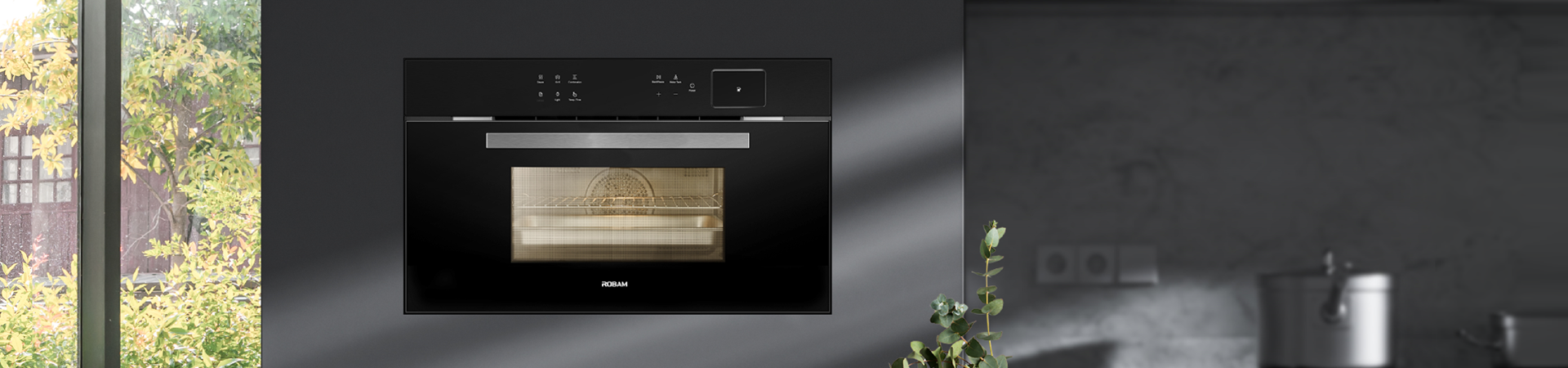



A "stainless steel stove" describes a finish, not a fuel. It's a stove — a range or cooktop — wearing the classic brushed-metal look, and underneath it can be gas, electric, induction, or dual-fuel. That distinction matters, because it means "stainless steel" tells you how the stove looks and wears, not how it cooks. Stainless is the most popular kitchen finish for good reasons: a timeless, professional appearance, real durability, and the way it matches other appliances into one clean, coordinated kitchen. It has exactly one honest downside worth planning around — it shows fingerprints, smudges, and water spots, and it rewards the right cleaning technique (wipe with the grain, skip the abrasives). This guide covers why stainless is chosen, its trade-offs, how to clean and maintain it, how it compares to black and other finishes, and how to choose one — with the key reminder that since the finish is cosmetic, you should pick your fuel and performance first, then the look.
What "stainless steel stove" actually means
Two quick clarifications save a lot of confusion. First, "stove" in everyday American usage means a range — a cooktop with an oven below — though people also use "stainless steel stove" loosely for a stainless cooktop. Second, and more important: stainless steel is a surface finish, available across every fuel type. You can have a stainless gas range, a stainless induction cooktop, a stainless dual-fuel range, and so on. So choosing "stainless" is a look-and-durability decision layered on top of the more fundamental choice of how the stove actually heats. Get the cooking right first; stainless is the jacket it wears.
What makes stainless steel good quality
Not all stainless is the same, and a couple of details separate a finish that ages well from one that spots and dents. Two things worth knowing: the grade and the gauge. Appliance stainless is commonly a corrosion-resistant grade in the 300 series (often referred to as 304), prized for its resistance to rust and staining; a cheaper 400-series stainless is more magnetic and can be more prone to spotting. The gauge — the thickness of the steel — affects how solid the surface feels and how well it resists dents and flexing, with lower gauge numbers meaning thicker, sturdier panels. You don't need to memorize the metallurgy, but if a stainless stove feels reassuringly solid and the maker specifies a quality grade, that's a good sign it will keep looking its best rather than pitting or denting early. A well-made stainless surface is what lets the finish deliver on its durability reputation.
Why stainless steel is so popular
Stainless didn't become the default kitchen finish by accident. Its strengths are real:
- A timeless, professional look. Brushed stainless reads clean and high-end, echoes commercial kitchens, and doesn't go out of style the way trendier colors can.
- Genuine durability. Stainless resists rust, heat, and staining, doesn't fade or discolor with age, and stands up to the daily abuse of a working kitchen.
- It matches everything. A stainless stove coordinates effortlessly with stainless hoods, dishwashers, and refrigerators for a cohesive kitchen — and with almost any cabinet and countertop color.
- Resale-friendly. Because it's neutral and expected, stainless rarely hurts a kitchen's appeal to future buyers, which matters if resale is on your mind.
- Easy to sanitize. The smooth, non-porous surface wipes down hygienically, part of why it's the standard in professional kitchens.
The honest downsides
Stainless has one well-known weakness and a couple of minor ones, and knowing them up front lets you plan:
- It shows fingerprints and smudges. This is the real trade-off — oils from hands, water spots, and splatters are visible on a bright stainless surface, especially in a busy kitchen with kids. It's cosmetic, not functional, but it's the thing owners notice.
- It needs the right cleaning. Stainless looks its best when wiped with the grain using the right products; the wrong technique leaves streaks, and harsh abrasives can dull or scratch it.
- It can scratch. Dragging cookware or using steel wool can mark the surface; most light scratches are manageable, but it's not scratch-proof.
- Fingerprint-resistant options exist — many brands offer a treated stainless that hides smudges far better, which is worth considering if the fingerprint issue concerns you.
Stainless vs. other finishes
| Stainless steel | Black stainless | Black / matte | White / colored | |
|---|---|---|---|---|
| Look | Bright, professional, classic | Warm, modern, softer | Bold, sleek | Distinctive, statement |
| Shows fingerprints | Yes (most) | Less than bright stainless | Varies; matte hides more | Less obvious |
| Matches other appliances | Widely | Best with matching black stainless | Depends on kitchen | Narrower |
| Timelessness | Very high | High | High | Trend-dependent |
| Availability | Broadest | Common | Common | More limited |
Bright stainless is the safe, coordinating classic; black stainless and matte finishes trade a little of that universality for a warmer, more fingerprint-forgiving look; and white or colored finishes make a statement but match a narrower range of kitchens. None is "best" — it's about your kitchen and how much you mind fingerprints.
How to clean a stainless steel stove
Stainless is easy to keep beautiful once you know the rules, and most streak complaints come from breaking them:
- Wipe with the grain. Stainless has a directional brushed grain; wiping along it lifts marks cleanly, while wiping across it leaves streaks.
- Start gentle. Warm water with a little dish soap on a soft microfiber cloth handles most daily smudges; dry and buff afterward to prevent water spots.
- Use a stainless cleaner for more. A dedicated stainless-steel cleaner or polish removes stubborn fingerprints and restores shine; a little goes a long way, applied with the grain.
- Avoid the damaging stuff. Skip steel wool, abrasive pads and powders, bleach, and ammonia — they can scratch or discolor the finish.
- Dry to finish. The single biggest anti-streak habit is drying and buffing with a clean dry cloth after wiping, so no water dries in place.
Dealing with scratches, spots, and heat marks
Even well-treated stainless picks up the occasional blemish, and most are fixable. Light surface scratches that run with the grain can often be minimized with a stainless polish worked in the direction of the grain; deeper scratches are better left to products or professionals made for the job rather than aggressive DIY sanding. Those orange specks that sometimes look like rust are usually not the steel rusting but surface deposits — from hard water, or from contact with a rusting iron pan or steel wool particles — and they typically clean off with a stainless cleaner. True rusting of quality appliance stainless is uncommon. Faint heat tinting or discoloration near burners can usually be reduced with a dedicated stainless cleaner as well. The rule throughout is gentle and with the grain; reaching for something abrasive to "fix" a mark is what turns a small blemish into a permanent dull patch.
A simple stainless cleaning routine
Keeping a stainless stove bright is less about effort than about consistency:
- Daily: a quick wipe with the grain using a damp microfiber cloth to catch fresh splatters and fingerprints before they set, then a dry buff.
- Weekly: warm water with a little dish soap over the whole surface, wiped with the grain and dried, to lift the film that daily wiping misses.
- Occasionally: a dedicated stainless cleaner or polish to remove stubborn marks and restore shine, applied sparingly and buffed out with the grain.
That's genuinely all it takes. The streaky, dull stainless people complain about almost always comes from skipping the dry-and-buff step or reaching for the wrong products, not from the finish being high-maintenance.
Does the finish affect how the stove cooks?
No — and this is the point that keeps a stainless purchase sensible. The finish is purely cosmetic; how a stove performs comes down to its fuel, its burners or elements, and its oven, not its exterior color. A stainless gas range and a black gas range with the same internals cook identically. So decide the things that affect cooking first — gas versus electric versus induction, burner output, oven type, size — and treat stainless as the finish you layer on afterward. If you're still weighing the cooking side, that's a separate decision worth making on its own merits, then choosing the look.
Matching stainless across the kitchen
Part of stainless's appeal is a coordinated kitchen, and a stainless stove is usually the anchor. A few honest notes on matching:
- Pair the stove with a stainless hood. A stainless range or cooktop under a matching stainless range hood is the classic coordinated look, and the hood is the piece most visible right above the stove.
- "Stainless" isn't one exact shade. Brushed stainless varies slightly in tone and grain between brands, so if a perfect match matters, see pieces together where you can.
- Black stainless matches black stainless. If you go the black-stainless route, coordinate within that family rather than mixing it with bright stainless.
- Mixing finishes can work on purpose. A deliberate mix — say, a stainless stove with black or panel-front surrounding appliances — looks intentional; accidental near-misses are what look off.
ROBAM offers stainless-steel finishes across its cooking lineup, so a stainless range or cooktop can be matched with a stainless hood for a coordinated kitchen — confirm the exact finish of each model on its product page.
Is fingerprint-resistant stainless worth it?
If the fingerprint issue is the one thing giving you pause about stainless, a fingerprint-resistant finish is worth a serious look. It's a treated stainless surface engineered to hide smudges and oils far better than bright stainless, so it stays looking clean with less wiping — a real quality-of-life upgrade in a busy family kitchen. It usually costs a little more and can look subtly different from classic bright stainless, so weigh the trade. For many households the reduced cleaning is well worth it; for others, classic bright stainless with a good cleaning routine is perfectly fine. Neither is wrong — it depends on how much the smudges would bother you day to day.
Is stainless steel still in style?
It's a fair question, since finishes go in and out of fashion — but stainless remains the dominant, safe choice, and that's unlikely to change soon. Its neutrality is exactly what keeps it timeless: it isn't tied to a color trend, it coordinates with almost any cabinetry and countertop, and it reads as clean and professional in kitchens of every style. Newer finishes like black stainless and matte black have added genuine, popular alternatives — warmer, more fingerprint-forgiving looks that suit modern kitchens — but they've expanded the options rather than replaced stainless. If you want the lowest-risk, most broadly appealing, most resale-friendly finish, bright stainless is still it; if you want something a little different and are confident in the look, the darker finishes are legitimate choices. Either way, you're not picking something that will look dated in a few years.
Choosing a stainless steel stove
Put it together in order:
- Decide the cooking first. Fuel (gas, electric, induction, dual-fuel), burner output, oven type, and size — these determine how well it cooks and matter far more than color.
- Then choose the finish. Bright stainless for the classic coordinated look, fingerprint-resistant stainless if smudges concern you, or another finish if it suits your kitchen better.
- Plan the match. Coordinate the hood and other visible appliances, and see finishes together if an exact match matters.
- Confirm the practical details — size and cutout, fuel connections, and ventilation — exactly as with any stove, since the finish doesn't change installation.
Durability and keeping it looking new
Stainless earns its reputation for lasting: it resists rust, heat, and corrosion, and a quality stainless stove can look good for many years. Longevity of the appearance, though, is about care — the finish stays bright with regular gentle cleaning and the occasional polish, and dulls only when it's scrubbed with the wrong things or left streaky. Treat the surface well, keep abrasives away, and buff after cleaning, and a stainless stove holds its like-new look far longer than trend-based finishes hold their appeal. That longevity is a real part of stainless's value: the finish you buy is the finish you'll still be happy with years later, which is not something every material can promise.
Common mistakes
- Choosing the finish over the function — picking stainless before deciding fuel, output, and oven, which matter far more to cooking.
- Wiping across the grain, which leaves the streaks people blame on stainless itself.
- Using steel wool, abrasives, or bleach, which scratch or discolor the finish.
- Assuming all "stainless" matches exactly — tone and grain vary between brands.
- Overlooking fingerprint-resistant stainless when smudges are your main concern.
- Skipping the dry-and-buff step, the simplest way to avoid water spots.
- Forgetting the hood and ventilation, which matter for a gas stove regardless of finish — and are also where a matching stainless piece completes the look.
The bottom line
A stainless steel stove is a finish choice, not a fuel — a range or cooktop that can be gas, electric, or induction underneath, in the classic brushed-metal look. Stainless is popular for its timeless appearance, durability, and easy matching, with one real downside: it shows fingerprints and needs the right cleaning — wipe with the grain, use mild cleaners, dry and buff, and skip abrasives. Fingerprint-resistant stainless helps if smudges bother you. Because the finish is cosmetic, choose your fuel and performance first, then the look, and coordinate the hood and appliances for a cohesive kitchen. Cared for properly, a stainless stove stays bright for years, and its neutral, coordinating look keeps a kitchen feeling current long after trend-based finishes would have dated.
Frequently asked questions
Is stainless steel a type of stove or just a finish?
A finish. A "stainless steel stove" is a range or cooktop with a brushed stainless exterior, and it can be gas, electric, induction, or dual-fuel underneath. So stainless describes how the stove looks and wears, not how it cooks — decide the fuel and performance separately from the finish.
Why do stainless steel stoves show fingerprints?
The bright, smooth surface makes oils from hands, water spots, and splatters visible in a way matte or dark finishes hide better. It's purely cosmetic, not a defect. Regular wiping with the grain keeps it clean, and fingerprint-resistant stainless finishes are engineered to hide smudges much better if that's a concern.
How do I clean a stainless steel stove?
Wipe with the grain using warm water and a little dish soap on a microfiber cloth for daily smudges, or a dedicated stainless cleaner for stubborn marks, then dry and buff to prevent water spots. Avoid steel wool, abrasive pads and powders, bleach, and ammonia, which can scratch or discolor the finish.
What's the difference between stainless and black stainless?
Bright stainless is the classic silver, professional look that matches most appliances; black stainless is a darker, warmer finish that hides fingerprints better and gives a more modern feel. Black stainless matches best within its own family, while bright stainless coordinates more widely. Choose by the look you want and how much fingerprints bother you.
Does a stainless steel stove scratch easily?
It's durable but not scratch-proof. Dragging cookware across it or using steel wool can leave marks; most light scratches are manageable and some run with the grain. Using soft cloths, lifting rather than sliding pans, and avoiding abrasive pads keeps the surface looking its best.
Is fingerprint-resistant stainless worth it?
If fingerprints are your main hesitation about stainless, often yes — a fingerprint-resistant finish hides smudges far better and needs less wiping, which is a real benefit in a busy kitchen. It usually costs a bit more and can look subtly different from bright stainless, so weigh that; for lower-traffic kitchens, classic stainless with a good routine is fine.
Does the stainless finish affect cooking performance?
No. The finish is cosmetic; cooking performance comes from the fuel, burners or elements, and oven, not the exterior color. A stainless stove and an identical stove in another finish cook the same, so choose performance first and the finish second.
Will a stainless stove match my other stainless appliances?
Usually closely, but not always perfectly — brushed stainless varies slightly in tone and grain between brands. For a coordinated kitchen, it helps to view pieces together where possible, and to match within the same family (bright stainless with bright stainless, black stainless with black stainless).
Does stainless steel rust or stain?
Quality appliance stainless resists rust and staining well, and true rusting is uncommon. What looks like rust is usually a surface deposit — from hard water, or from contact with a rusting iron pan or bits of steel wool — that cleans off with a stainless cleaner. Wiping up spills, drying after cleaning, and keeping steel wool away prevents nearly all of it. A good grade of stainless, cared for normally, stays clean and spot-free.
Does ROBAM offer stainless steel stoves?
Yes — ROBAM offers stainless-steel finishes across its cooking lineup, including ranges, cooktops, and range hoods, so you can coordinate a stainless stove with a matching stainless hood. Because finish availability varies by model, confirm the exact finish of the specific range, cooktop, or hood on its product page.
Guidance here is general; finish options, care recommendations, and matching vary by model and brand. Stainless-steel tone and grain differ between manufacturers, so confirm an exact match by viewing pieces together where possible. Cleaning-product suitability can vary — follow each manufacturer's care instructions for your specific appliance. ROBAM product details and finish availability follow official published specifications and vary by model — confirm current options on each product page. This article is general guidance only.