
Skip to content
Duct Range Hood

Collection: Duct Range Hood

Our ducted range hood collection delivers maximum ventilation efficiency by venting smoke, grease, and odors directly outdoors. Built for homeowners who prioritize strong airflow and professional-grade performance, these hoods ensure a cleaner, healthier cooking environment.

Designed with durable materials, efficient motors, and advanced airflow systems, ducted hoods provide consistent performance even during heavy cooking. With multiple styles including wall-mount, under-cabinet, and island options, this collection offers solutions for both traditional and modern kitchens. Choose a ducted range hood when you need powerful extraction and long-lasting reliability.

2 products

ROBAM Range Hood  86H1S-30"
New

RangeHood

CleanAir Pro | 30"

4.8
Rated 4.8 out of 5 stars
15 Reviews
Regular price $1,549.00 USD
Sale price $1,549.00 USD Regular price
ROBAM Range Hood 88H3S-36"
New

RangeHood

DUAI-VENT 88H3S|36"

4.7
Rated 4.7 out of 5 stars
19 Reviews
Regular price $2,599.00 USD
Sale price $2,599.00 USD Regular price
ROBAM Living
ROBAM Living
ROBAM Living
ROBAM Living
ROBAM Living
ROBAM Living
ROBAM Living
ROBAM Living
ROBAM Living
ROBAM Living
ROBAM Living

Uncompromising Performance: The Power of Ducted Ventilation
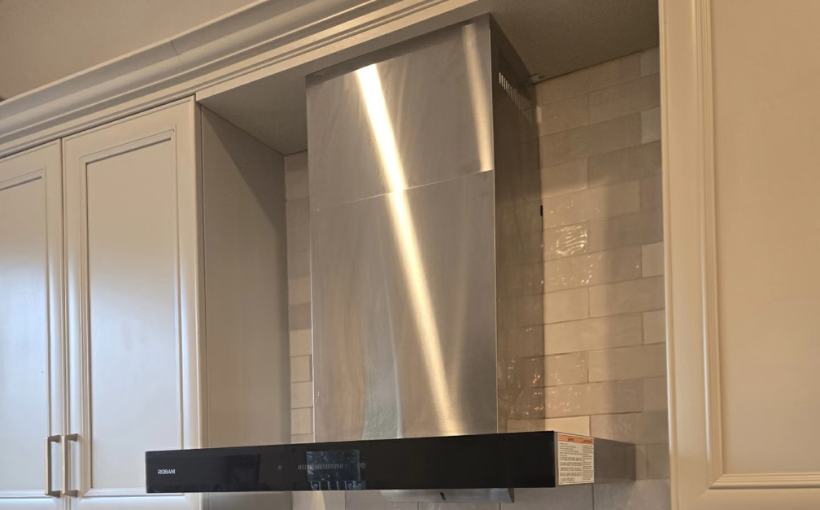
For the most complete and effective kitchen air cleaning, a ducted range hood is the definitive choice. It captures smoke, steam, grease, and odors and expels them directly outside your home. This not only eliminates cooking smells but also removes excess heat and humidity, protecting your kitchen from grease buildup and moisture damage, and creating a more comfortable cooking environment.

ROBAM Living

Understanding Your Ducting Options and Impact
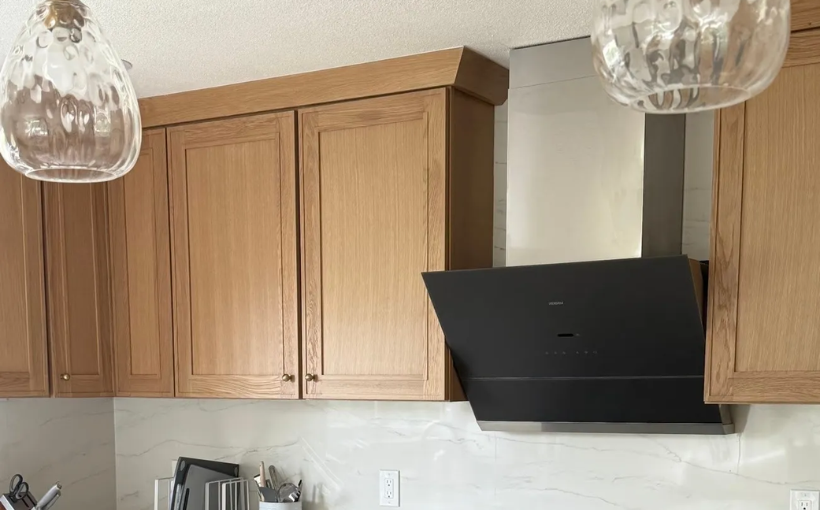
The performance of your ducted range hood hinges on proper ducting. The most efficient setup is a short, straight, vertical duct run to the roof. Horizontal vented range hood configurations through an exterior wall are also common. Remember, the size, length, and material of your ductwork (rigid metal is best) dramatically affect the hood’s final airflow (CFM) and noise level.

ROBAM Living

Essential for Serious Cooks and Healthy Homes

If you frequently engage in high-heat cooking like searing, stir-frying, or boiling, a ducted range hood is practically essential. It’s the only type that fully removes combustion byproducts and moisture, contributing to better indoor air quality and the long-term preservation of your cabinets and paint. It’s the professional-standard choice for a reason.

FAQ for Duct Range Hood:

Q: What are the undeniable benefits of a ducted hood?
A: Ducted range hoods are the most effective type because they remove all pollutants— grease, smoke, odors, heat, and moisture— from your home entirely. This helps keep your kitchen cooler, prevents grease buildup on surfaces, and protects your cabinets and walls from moisture damage over time.

Q: What size duct should I use for my hood?
A: The duct size is critical and should match the outlet size of your hood (common sizes are 6", 7", or 8" round). Never reduce the duct size, as it creates back-pressure, drastically reduces airflow (CFM), increases noise, and strains the motor. If anything, a slightly larger, smoother duct is better.

Q: Is rigid ducting better than flexible duct?
A: Yes, always. Rigid metal ductwork (galvanized or aluminum) provides the smoothest path for airflow, maximizing your hood's power and minimizing noise. Flexible duct (the accordion-style foil tube) creates tremendous internal resistance due to its ribbed interior, which can cut your hood's effective CFM by 50% or more and is not recommended.

Q: How long can my duct run be?
A: The shorter and straighter the duct run, the better. Each elbow (90-degree turn) in the ductwork is equivalent to adding about 15 feet of straight duct in terms of airflow resistance. For optimal performance, keep the total run as short as possible with minimal bends. The hood's manual will often specify a maximum equivalent duct length.

Q: Can I vent my range hood into the attic?
A: Absolutely not. Venting a kitchen hood into an attic, crawlspace, garage, or between walls is a major code violation and creates serious hazards: it deposits flammable grease in hidden spaces, promotes mold growth from moisture, and can cause structural damage. All ducted hoods must vent directly to the outdoors.

Range Hood Types: Find Your Fit

From the maximum efficiency of ducted hoods to versatile solutions for every kitchen layout, explore our full range to find your perfect fit. Whether you require powerful extraction for serious cooking, a flexible recirculating option, or a specific style of cooktop ventilation hoods, you can easily navigate by size, installation type, performance needs, and other key features—allowing you to discover the ideal range hood for your home in moments.